
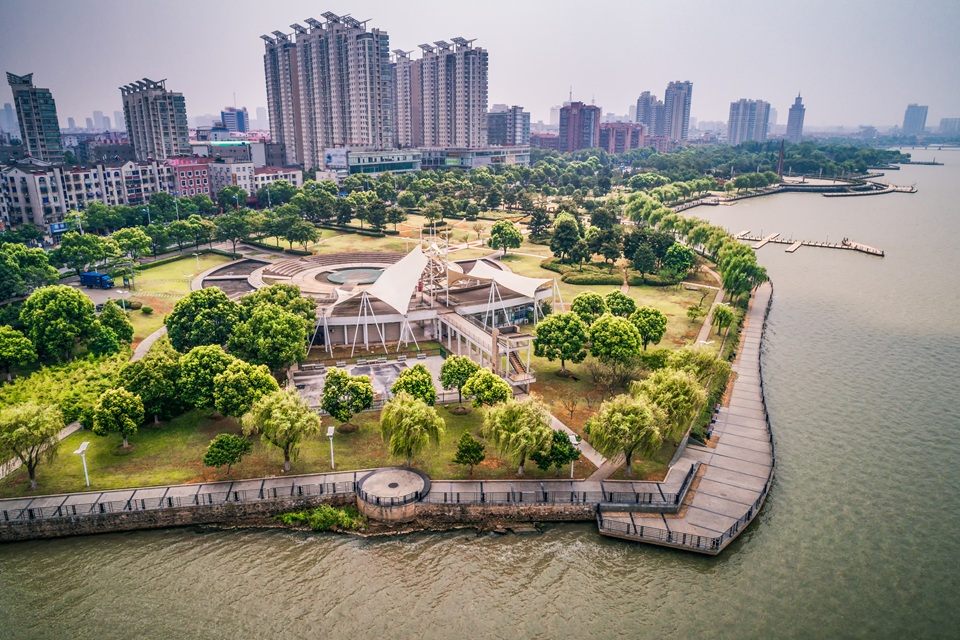
As the world’s cities continue to grow, communities face increasing pressure to balance expansion with environmental responsibility. Forward-thinking developers are pioneering new approaches to land development that support both human needs and the health of the ecosystem. This shift is not just about managing growth, but also about safeguarding future generations and fostering deeper connections with nature.
Modern land development strategies incorporate a blend of agricultural integration, landscape preservation, net-zero energy, and inclusive design. These methods offer a roadmap for creating more resilient and sustainable living environments that prioritize resource efficiency, social inclusivity, and long-term prosperity. By applying thoughtful planning and embracing technological innovations, communities are not only improving their residents’ quality of life but also setting new standards in environmentally conscious development. Sustainable development initiatives have tremendous potential to reshape how neighborhoods evolve while preserving natural resources for years to come. Securing suitable properties remains a foundational aspect of this process, as effective land acquisition strategies can determine the success of sustainable development projects from the earliest stages. Proper evaluation and responsible acquisition practices support both community needs and environmental stewardship.
Table of Contents
Integrating Agriculture Into Residential Communities
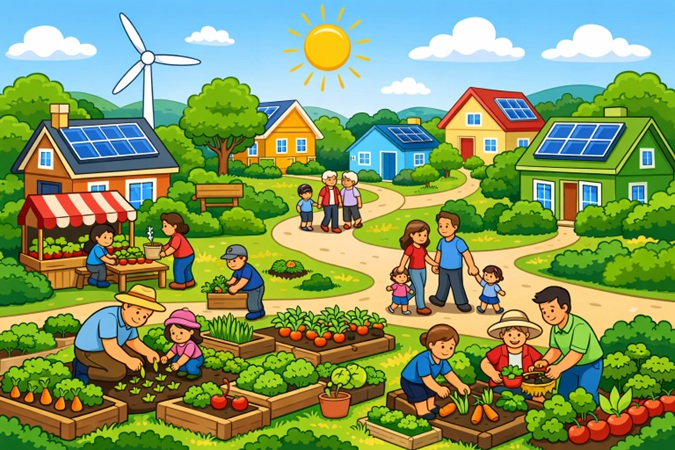
Innovative communities are merging residential living with working agricultural spaces, fostering a direct connection to food sources and nature. Developments such as those near downtown Anna, Texas, are designed around active farmland, inviting residents to participate in community gardens, farmers’ markets, and educational farming workshops. This approach supports local food economies and empowers residents to adopt healthier, more sustainable lifestyles.
In addition, combining agriculture with residential development helps reduce food miles and lessens the carbon footprint usually associated with transporting produce. By introducing edible landscapes, rooftop gardens, and allotment plots within housing developments, planners enable more residents to access fresh produce right at their doorsteps, thereby further promoting sustainability. These integrated spaces also become educational resources, teaching young people and families about nutrition, food origins, and environmental stewardship. The growing popularity of urban farming collectives and agrivillages demonstrates how this model can be adapted to communities of varying sizes and demographics, ensuring everyone has the chance to contribute to and benefit from these green initiatives.
Preserving Natural Landscapes
Preservation of natural features is crucial to sustainable land development. By designing communities that work with the existing topography rather than reshaping it, developments can maintain local biodiversity and enhance ecological health. The Terraine community in Utah exemplifies this by integrating homes within native open spaces and respecting the region’s foothills. This respect for the landscape leads to reduced soil erosion, the preservation of natural habitats, and a more harmonious relationship between built and natural environments. Additionally, protecting wetlands, forests, and other sensitive ecosystems within a development’s boundaries not only safeguards plant and animal life but can also provide natural buffers for stormwater management. These untouched landscapes reduce the risk of flooding, filter pollutants, and contribute to regional surface and groundwater health. Parks, greenways, and natural corridors strategically placed within communities offer residents accessible recreation and help connect fragmented habitats, supporting wildlife movement and ecological integrity. Over time, prioritizing these green spaces can elevate property values and promote community well-being by providing aesthetic, environmental, and social benefits.
Achieving LEED Certification
Sustainable communities are increasingly seeking recognition through certifications like LEED (Leadership in Energy and Environmental Design). This internationally recognized standard indicates a commitment to energy efficiency, water conservation, the use of sustainable materials, and indoor environmental quality. The Woodlands in Texas, recognized as the world’s largest LEED pre-certified master-planned community, serves as a benchmark for others. LEED certification ensures the implementation of best practices from the design through the construction and ongoing operations, leading to healthier communities and reduced environmental impact. Moreover, achieving LEED certification serves as a tool for transparency and accountability. Developers are encouraged to meet specific targets in energy use, water efficiency, construction waste reduction, and indoor air quality. For residents, the result is a healthier living space with reduced utility costs and improved comfort. For the broader community, LEED-certified developments serve as case studies of how investment in green building practices can pay dividends through lower resource consumption and increased desirability, attracting eco-conscious buyers and tenants.
Embracing Renewable Energy
Integrating renewable energy sources into new developments is another hallmark of forward-thinking land use planning. Babcock Ranch in Florida, the first fully solar-powered town in the United States, provides a compelling example. All homes within this development, including those in The Flatwoods, are powered by solar panels and are designed with energy efficiency as a top priority. The use of renewable energy reduces greenhouse gas emissions, promotes energy independence, and offers a replicable model for new communities nationwide. Beyond solar, some communities are also beginning to include wind turbines, geothermal heating and cooling systems, and battery energy storage solutions. These technologies allow developments to participate in distributed energy generation, sometimes even selling excess power back to the grid. The upfront investment in renewables pays off through lower monthly energy bills, price stability for residents, and a significant reduction in the community’s carbon footprint. As government incentives and innovations in energy technology continue to grow, it is expected that renewables will become an even more integral element of sustainable land development in the future.
Promoting Inclusive Design
True sustainability also requires that spaces are accessible, inclusive, and welcoming to people of all ages and abilities. The Trinity Landing development in Dayton, Texas, includes a universally accessible playground created by the nonprofit Unlimited Play. By eliminating barriers and encouraging cooperative play, such amenities strengthen social ties and foster an authentic sense of community. Inclusive design ensures that everyone can benefit from shared spaces and resources, making the community more resilient and equitable. Forward-thinking planners are increasingly collaborating with advocacy groups to ensure housing, parks, and public transportation are designed inclusively from the outset. Features such as curb ramps, tactile walkways, abundant seating, and accessible restrooms exemplify a commitment to universal accessibility. Inclusivity goes beyond physical design, encompassing language access, safety, and social programming to recognize and celebrate cultural, economic, and generational diversity. Ultimately, these principles create neighborhoods where all individuals can thrive and participate fully in community life.
Leveraging Technology For Sustainability
Technology is at the forefront of successful sustainable development. Researchers exploring the Lake Malawi Basin have used deep reinforcement learning to optimize land-use allocation. This sophisticated approach helps planners maximize ecosystem services, efficiently manage land resources, and balance environmental and economic needs. Such technological advancements are making it easier for developers and policymakers to pursue holistic outcomes where environmental, social, and financial goals are achieved together. Other digital tools, like smart sensors, geographic information systems (GIS), and real-time building management dashboards, further enhance sustainability. These systems track energy and water usage, detect inefficiencies, and offer immediate feedback to owners and managers, allowing timely interventions that save resources and money. As artificial intelligence and big data analytics mature, their integration will empower cities and towns to simulate different development scenarios, forecast impacts, and make informed decisions that ensure resilience and sustainability at scale.
Conclusion
Sustainable land development is reshaping how communities are conceived, built, and maintained. Integrating agricultural spaces, preserving landscapes, attaining LEED certification, utilizing renewable energy, ensuring inclusive design, and harnessing the power of advanced technologies can lead to thriving communities that benefit both people and the planet. These best practices are setting a new standard, not just as ideals, but as achievable goals, for modern land development across the globe. As we look to the future, the continuing evolution of regulatory frameworks, shifts in consumer expectations, and the sharing of cross-industry knowledge will further drive innovation in sustainable development practices. Collaboration among residents, developers, local governments, and environmental organizations is essential to foster environments where growth and stewardship are not at odds, but deeply aligned. Together, these efforts reflect a powerful vision for sustainable communities: places where economic opportunity, ecological responsibility, and social wellbeing reinforce each other, ensuring a legacy of health and abundance for generations to come.


No Comments