
Regular maintenance is one of the most effective ways to keep your boat trailer in excellent working condition for years to come. Whether you use your trailer for occasional weekend getaways or frequent fishing trips, taking care of essential components can mean the difference between safe travels and frustrating breakdowns. For those who need reliable support with maintenance or upgrades like trailer hitch installation Glen Burnie, MD, working with professionals can save you both time and money, ensuring your trailer is always ready to perform at its best.
Ignoring basic maintenance tasks can lead to costly damage, unexpected repairs, or even road accidents. Keeping an eye on wear and tear, especially in saltwater environments, improves safety and guarantees you’re prepared for your next adventure on the water. A well-cared-for trailer not only protects your investment but also gives you peace of mind every time you hit the road.
Table of Contents
Regular Inspections
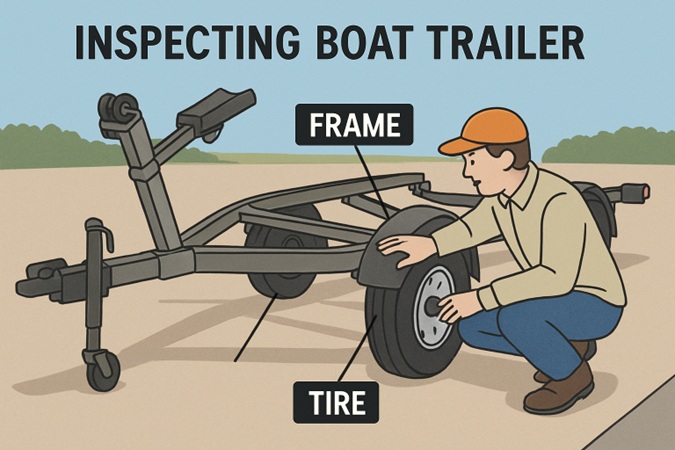
Inspecting your boat trailer before and after every trip is one of the simplest yet most important habits for extending its life. Start by checking the trailer frame for any signs of rust, cracks, or bent supports. Look closely at the axles and suspension for wear or deformation. Early detection of potential issues, such as loose bolts or visible damage, can help you address small problems before they turn into expensive repairs.
Use a checklist that covers all major areas of the trailer, including couplers, safety chains, lights, and winches. This methodical approach ensures nothing is overlooked while boosting your overall road safety.
Tire Care
Tires support the entire weight of your boat and trailer, so regular tire care is crucial. Start by checking the pressure and inflate the tires to the manufacturer’s recommended PSI. Underinflated tires are more likely to blow out on the highway, while overinflated tires may wear unevenly. Inspect the sidewalls for cracks and bulges, and look for uneven tread wear, which could indicate misaligned axles or suspension issues.
Even if tires appear to be in good shape, remember they do not last forever. Most manufacturers recommend replacing trailer tires every six years regardless of tread depth. Regularly rotate and balance the tires to distribute wear more evenly and extend their lifespan.
Wheel Bearings
Wheel bearings enable your trailer wheels to spin freely and endure significant loads on the road. Over time, water intrusion, especially saltwater, can cause bearings to corrode and fail. Check for excess play or grinding noises from the wheels each time you inspect your trailer. If you notice any of these signs, remove and repack the bearings with marine-grade lubricant or replace them promptly.
Properly greased and well-maintained bearings not only help prevent overheating and breakdowns but also ensure smooth towing and better fuel efficiency. Using bearing protectors or bearing buddies is an added safeguard for frequent boaters, as they keep water out and grease in.
Brake System
Boat trailers that carry significant loads often rely on disc or drum brakes for safe stopping. Routinely examine your trailer brakes by checking the brake pads or shoes for signs of wear and thinning. If the pads look worn out, replace them to avoid scoring or damaging the rotors or drums.
Inspect brake fluid levels and top up with the appropriate type if needed. Test the brakes before every trip to ensure smooth and responsive stopping. Properly maintained brakes are not just about protecting your investment; they are essential for your safety and those sharing the road with you.
Lighting & Electrical Components
Functioning lights help ensure your trailer is visible to other drivers, especially at night or in the rain. Test all lighting, including running lights, brake lights, and turn signals, before every journey. Faulty wiring or corroded connectors can cause intermittent outages, so repair any wiring damage by using marine-grade connectors and heat-shrink tubing when possible.
Replacing burnt-out bulbs and cleaning light housings increases visibility and keeps you in compliance with safety regulations. Periodically double-check the trailer’s connectivity to your tow vehicle to ensure all lights work as expected.
Corrosion Prevention
Boat trailers are constantly exposed to water, particularly saltwater, which accelerates corrosion. After each use, thoroughly rinse the trailer with fresh water, ensuring hard-to-reach areas, such as the undercarriage and brakes, are cleaned. Applying a specialized corrosion inhibitor to exposed metal surfaces creates an extra shield against rust.
Regular cleaning combined with protective coatings can drastically extend your trailer’s lifespan. Touch up any scratches or chipped paint before rust can form. Scheduling periodic professional inspections can help maintain protective coatings and spot hidden corrosion early.
Proper Storage
Store your trailer in a dry, sheltered place like a garage or under a carport to reduce UV and moisture exposure, which cause wear and rust. Use a high-quality cover outdoors to keep out moisture and debris. Elevate the trailer with stands or blocks to prevent flat spots and park on a solid, level surface to prevent movement. Proper storage minimizes maintenance and preserves condition.
Conclusion
Consistent and careful maintenance helps you get the most out of your boat trailer investment. By making inspections and preventative care a habit, you can avoid costly repairs and reduce stress before every trip. Staying proactive keeps your trailer and your boating adventures safe, enjoyable, and reliable for many seasons to come.




No Comments