
Key Takeaways:
- Warm, wet conditions can increase activity from mosquitoes, ants, cockroaches, and termites.
- Heavy rain can send pests from saturated soil, nests, and burrows toward dry protected areas.
- Hot, dry periods may bring pests closer to homes while they search for water.
- Cooler fall and winter weather often increases indoor sightings of mice, spiders, and overwintering insects.
- Sealing gaps, controlling moisture, and removing standing water can reduce pest pressure year-round.
The weather directly affects where pests feed, breed, and seek shelter around St. Louis homes. A damp spring, a humid summer stretch, a sudden storm, or a sharp autumn cold front can change what homeowners see around foundations, yards, garages, and indoor living spaces.
When recurring activity needs more than routine cleanup and sealing, Pointe Pest Control is a St. Louis-area pest control company offering residential and commercial services across Eastern Missouri and nearby Western Illinois. Its St. Louis service page describes customized treatment plans, seasonal service, and state-certified technicians, which makes the company a relevant local option when weather-related pest pressure becomes difficult to manage.
Table of Contents
Why Weather Affects Pest Activity
Pests respond to the same basic conditions that affect the rest of the outdoor environment: temperature, water, food, and shelter. Warm weather generally makes many insects more active. Moisture can support breeding sites, soften soil, and increase conditions around mulch, drains, crawl spaces, and shaded landscaping that certain pests prefer.
The weather does not create every infestation on its own. More often, it reveals an opening or condition that already exists, such as a torn screen, a leaking pipe, a loose door sweep, a clogged gutter, or a gap where utilities enter the structure. Prevention works best when it addresses both the pest and the condition that invites it.
St. Louis Weather Patterns That Matter
St. Louis homeowners experience meaningful seasonal swings, from wet spring days and humid summers to cool autumn nights and winter freezes. These changes can affect lawns, drainage areas, wooded edges, detached garages, basements, and older homes with many small exterior openings.
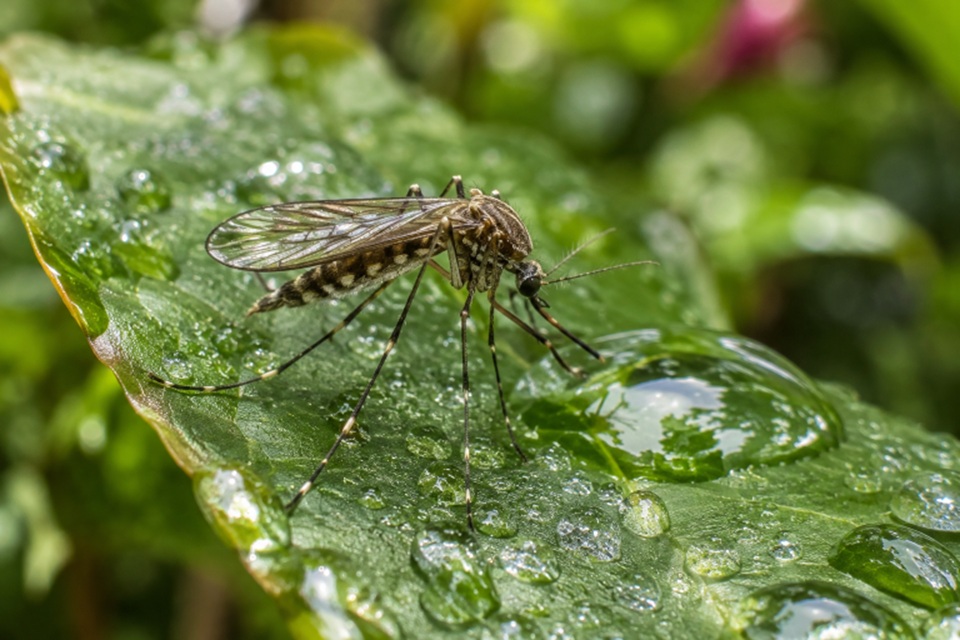
Standing water deserves special attention during warm months. The City of St. Louis recommends draining standing water each week, including water in buckets, flowerpots, gutters, tires, and similar containers. Repairing window and door screens also helps limit mosquito entry.
Spring Pest Problems
As temperatures rise and vegetation grows, pest activity becomes more noticeable. Ants may trail through tiny cracks near kitchens and utility lines. Spiders can appear around porches, window frames, lights, and outdoor storage. Wasps may begin establishing nests under eaves, deck rails, and sheltered corners.
Spring Prevention Steps
- Walk the foundation and look for cracks, damaged vents, and loose weather stripping.
- Clear leaves and mulch away from the siding where practical.
- Direct downspouts away from the foundation and correct obvious drainage problems.
- Trim shrubs and tree branches so they do not touch siding or rooflines.
- Check screens before regularly opening windows for the season.
Summer Pest Problems
Summer often brings the most visible pest activity because heat, humidity, outdoor meals, open doors, and frequent yard use create opportunities for pests. Mosquitoes can develop where water remains trapped. Flies may gather around trash, pet waste, compost, and uncovered food. Cockroaches can be drawn to indoor moisture near plumbing, appliances, and utility areas.
Bees and wasps may become more noticeable around roof edges, sheds, decks, and wall voids. Ticks and fleas are also concerns in tall grass, brushy edges, and areas where pets spend time. Keeping grass maintained, promptly removing food waste, and checking pets after outdoor activity can reduce exposure.
Fall Pest Problems
Cooler nights can prompt pests to look for stable shelter before winter. Mice, stink bugs, lady beetles, spiders, and other overwintering insects may enter through openings that go unnoticed during summer.
Common Entry Points To Inspect
- Gaps beneath garage doors and exterior doors.
- Openings around pipes, cables, dryer vents, and air-conditioning lines.
- Damaged soffits, roofline gaps, and loose siding.
- Unscreened vents and cracked window frames.
- Firewood stacks are placed directly against the home.
Exclusion is especially valuable in the fall. A visible insect can often be removed, but sealing the access point helps reduce future activity. Use appropriate materials for the opening, and ensure doors close tightly at the threshold.
Winter Pest Problems
Cold weather does not mean pest concerns disappear. Mice may nest in attics, garages, wall voids, basements, or cluttered storage areas. Spiders can remain in quiet corners, while cockroaches may stay close to warmth, food, and water sources inside the home.
Store pantry goods in sealed containers, clean spills promptly, and reduce cardboard and clutter in basements or garages. Watch for repeated droppings, gnaw marks, shed skins, unusual odors, or scratching sounds, since these signs can indicate activity out of sight.
A Simple Home Protection Checklist
Outside The Home
- Empty water-holding containers and check gutters regularly.
- Keep vegetation from resting against siding.
- Store firewood away from the foundation and off the ground when possible.
- Repair damaged screens, door sweeps, and vent covers.
- Keep outdoor trash containers closed and clean around them.
Inside The Home
- Fix dripping faucets and investigate slow leaks.
- Vacuum crumbs and clean food-preparation areas consistently.
- Inspect bags, boxes, used furniture, and firewood before bringing them indoors.
- Organize storage areas so walls and corners remain accessible for inspection.
When To Call A Professional
Professional help may be appropriate when sightings persist after sanitation and exclusion steps, when pests appear in multiple rooms, or when there are signs of property damage. Nest activity near entrances, repeated rodent evidence, unexplained bites, damaged wood, and persistent concerns about cockroaches or bed bugs also warrant a careful inspection.
Common Questions
Why do I see more pests after heavy rain?
Rain can flood or disturb nests, burrows, drains, and soil habitats. Pests may move toward higher, drier areas, including garages, basements, crawl spaces, and wall gaps.
Does a clean home still need pest prevention?
Yes. Cleaning reduces food sources, but pests can still enter through cracks, vents, plumbing openings, screens, and roofline gaps.
How often should standing water be removed?
Inspect outdoor areas at least weekly during mosquito season, especially after rain. Check containers, gutters, tarps, birdbaths, toys, and low spots in the yard.
Are indoor pests always a sign of an infestation?
Not always. A single insect may wander indoors. Repeated sightings, damage, droppings, or activity across several locations can indicate a larger issue.
Conclusion
St. Louis weather changes quickly across the year, and pest prevention should change with it. By managing moisture in spring, standing water in summer, entry points in fall, and indoor shelter opportunities in winter, homeowners can make their property less inviting before a minor issue becomes a larger one.


No Comments