
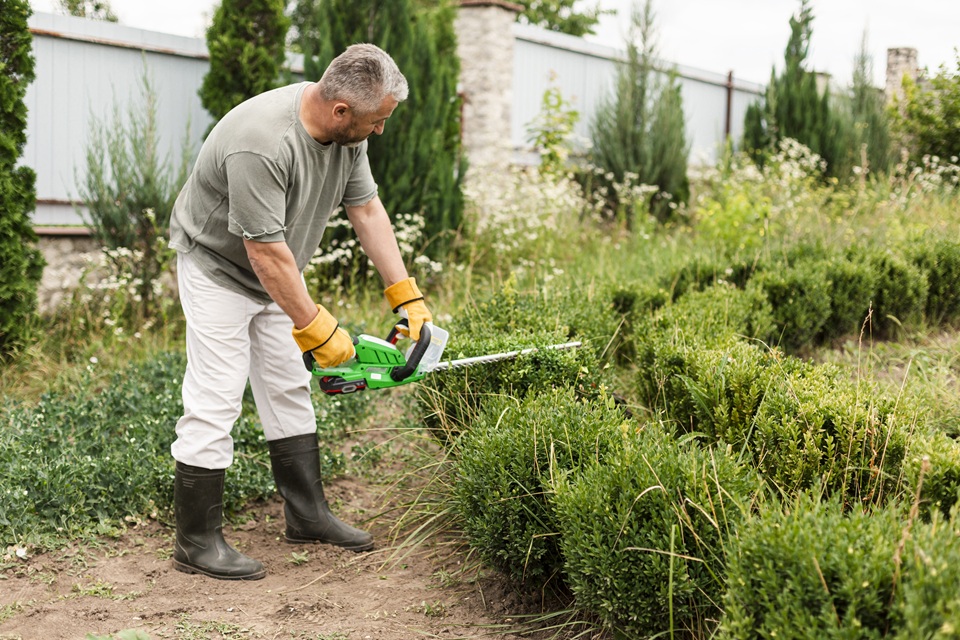
Vibrant, healthy lawn beds set the stage for a picturesque garden and foster robust plant growth year-round. Consistent maintenance, including irrigation, soil care, and weed control, ensures your outdoor spaces remain inviting and resilient. For those in need of expert local guidance or routine checkups, Steel City Landscape, Inc. offers comprehensive lawn and bed irrigation maintenance Pittsburgh PA services. With practical strategies and a proactive approach, cultivating thriving lawn beds is achievable for every home gardener. Establishing the right foundations, adapting your approach seasonally, and responding to signs of stress are all crucial steps. Addressing soil quality, watering, mowing, and weed management guarantees each part of your garden receives the support it needs to look and perform its best. A strong maintenance routine not only improves aesthetics but also strengthens your garden against unpredictable weather and disease. Whether you’re developing a new landscape or improving existing beds, understanding when and how to apply each technique makes a significant difference. Thoughtful attention to elements like mulch, aeration, and fertilizer will reward you with lush grass and vibrant borders. Implementing these tips can boost curb appeal and increase your enjoyment of outdoor spaces.
Table of Contents
Soil Testing & Preparation
Successful lawn bed maintenance starts with understanding your soil. Soil testing is a vital first step because it reveals the existing nutrient levels and the soil’s pH balance. A pH between 6.0 and 7.0 is generally ideal for most grass types and plants, as it ensures nutrients remain available for uptake. Send a soil sample to a local cooperative extension or use a reliable home kit. Based on test results, amend your soil with lime to reduce acidity or elemental sulfur to increase it if necessary. Incorporate compost or organic material to enrich poor soil and improve structure, leading to better drainage and root growth.
Proper Watering Techniques
Deep and infrequent watering is recommended for healthy lawns. This allows water to reach the root zone, encouraging deeper root growth and making your lawn more drought-resistant. Early morning is the best time to water, as plants can absorb moisture before the heat of the day increases evaporation. Typically, lawns require about one inch of water per week from rainfall or supplemental irrigation. Avoid frequent shallow watering, as it leads to shallow root systems that are vulnerable to drought and temperature extremes. In established beds, consider drip irrigation to direct water precisely where it’s needed and reduce runoff.
Effective Weeding Strategies
Weeds are more than just an eyesore; they aggressively compete with desirable plants for water, nutrients, and space. Regular hand-pulling is the most effective way to prevent weeds from establishing, especially after a rain when the soil is loose. Mulching can minimize weed seeds’ access to sunlight, reducing new growth. For larger infestations, spot-treat with selective herbicides formulated for specific turf types, always following label instructions closely. When possible, encourage a dense lawn, as healthy grass naturally outcompetes weeds. Rotating your approach through manual, mechanical, and chemical options ensures year-round control.
Appropriate Mowing Practices
Consistent mowing at the right height is critical for robust lawn beds. Allow your grass to maintain a blade height between 2.5 and 3 inches; this keeps roots shaded, retains moisture, and naturally reduces weed growth. Never remove more than one-third of the grass blade in a single mowing, as shorter cuts can stress the grass and leave it susceptible to disease and drought. Keep mower blades sharp for a clean, even cut, which reduces plant injury and the spread of pathogens. It’s also beneficial to mow when the grass is dry, as this reduces clumping and promotes even results.
Seasonal Fertilization
Lawns require nutrients at key points during the growth cycle. In early spring, apply a balanced, slow-release fertilizer to provide a steady source of nutrition. Base the type and amount of fertilizer on your soil test results for optimal results. Avoid applying too much nitrogen, as it can lead to disease problems and rapid, weak growth. In the fall, opt for a potassium-rich product to strengthen grass roots for winter dormancy. Split the annual fertilizer dose into two or three applications to maintain nutrient balance and minimize runoff.
Aeration & Dethatching
Over time, heavy traffic and organic debris can compact the soil, restricting root growth and water movement. Aeration involves using a core aerator to remove small plugs from the lawn, creating channels for air, water, and nutrients. This should be done at least once a year, ideally in early fall or spring, when grass is actively growing. Dethatching removes the layer of dead roots and stems (thatch) that can block moisture and fertilizer from reaching roots. Use a specialized dethatching rake or mechanical dethatcher for larger areas. Both techniques invigorate turf and support strong, new growth.
Mulching For Moisture Retention
Mulch is a gardener’s best friend. In garden beds, a 2-4 inch layer of organic mulch, such as bark, straw, or shredded leaves, conserves moisture, keeps roots cool, and shields the soil from temperature swings. Mulch also encourages earthworms and beneficial microbes to break down organic material, enhancing soil fertility over time. Keep mulch a few inches away from plant stems or crowns to avoid rot and pest problems. Refresh mulch annually, and use it in both ornamental and vegetable beds to maximize benefits.
Protecting Your Lawn In Extreme Weather
Heatwaves, heavy rainfall, and sudden temperature drops stress a lawn’s resilience. Prioritize deep, early-morning watering on hot days, and raise your mower height to provide the soil with added shade. During periods of drought, avoid heavy foot traffic and refrain from fertilizing until cooler temperatures return. In anticipation of storms, inspect drainage pathways to prevent standing water around roots. Cover sensitive plants, as needed, with burlap or shade cloth in extreme conditions. Flexibility and early intervention protect against long-term damage. By integrating these lawn bed maintenance strategies into your routine, you can ensure a garden that is visually stunning and lasts through the seasons. Optimal lawn health results from consistent, informed care that responds to the unique needs of your environment and soil.
Conclusion
Achieving vibrant, healthy lawn beds requires consistent care, informed decisions, and attention to detail throughout the year. By focusing on essential practices such as soil preparation, proper watering, mowing, and seasonal treatments, you create a strong foundation for lasting growth and resilience. Simple steps like mulching, aeration, and effective weed control not only enhance your landscape’s appearance but also protect it from environmental stress and long-term damage. With a proactive, well-rounded maintenance routine, you can enjoy a lush, thriving outdoor space that adds beauty, value, and enjoyment to your home year-round.





No Comments