
Key Takeaways:
- Compare the full monthly cost of each home, not just its listing price or mortgage payment.
- Review insurance, flood information, taxes, HOA fees, and expected maintenance before becoming emotionally attached to a property.
- Test the neighborhood during normal weekday conditions, not only during a short showing or open house.
- Read community documents carefully when considering a townhome, condominium, or HOA-managed neighborhood.
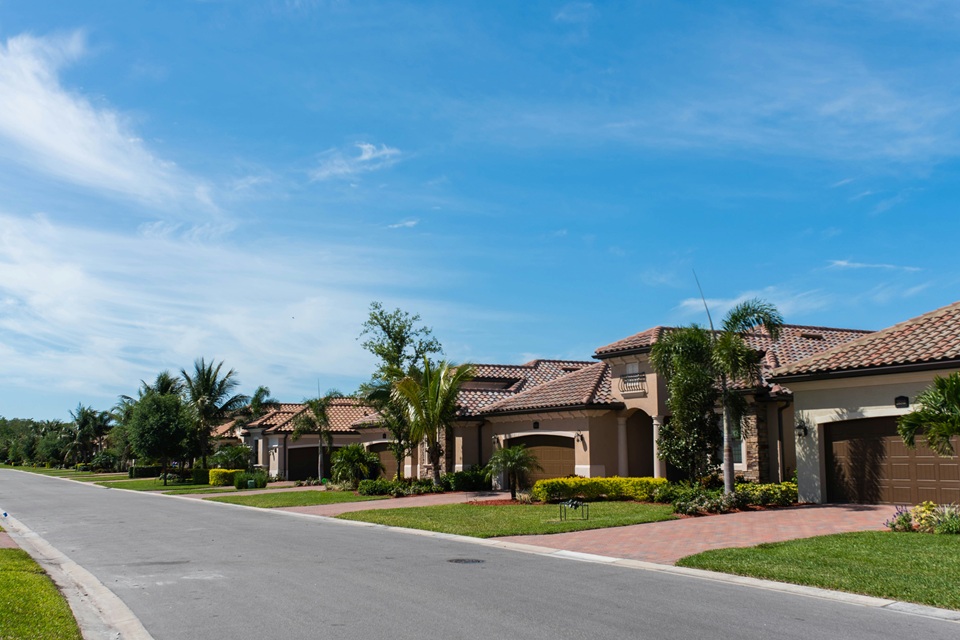
Buying a home in Oviedo means comparing more than bedrooms, square footage, and asking prices. Nearby communities can offer very different daily routines, ownership costs, road access, drainage conditions, and association rules. Buyers who evaluate the neighborhood as carefully as the house are better prepared to choose a property that works beyond move-in day.
For buyers who want local perspective during that process, Oviedo, FL real estate agent Ross Janke is associated with Ross Janke Real Estate, a real estate resource focused on home buying and selling guidance for Oviedo and surrounding Central Florida communities. A local resource can be particularly useful when comparing similar-looking homes in different parts of Seminole County, where practical details may affect the overall fit of a purchase.
Table of Contents
Why Neighborhood Comparison Matters
Two homes with similar prices can create very different financial commitments. One may have a lower association fee, while another may need a different insurance policy, a longer toll-road commute, or earlier repairs. The location also shapes the less obvious parts of ownership, including access to groceries, parks, medical care, schools, major roads, and everyday services.
Neighborhood selection is personal. Some buyers may prioritize a quieter street and more yard space. Others may prefer shorter drives, walkable destinations, community amenities, or access to major Central Florida employment areas. The goal is not to find the universally best neighborhood. It is to identify the one that best fits the household’s budget, routines, and long-term plans.
Build A Shortlist Before Touring
A focused shortlist prevents buyers from spending weekends touring homes that do not meet their real needs. Start by identifying two to five target areas, then narrow the options as practical information becomes available.
Questions To Use When Creating A Shortlist
- What is the highest comfortable monthly housing payment, including fees and insurance?
- How long is the acceptable commute during busy weekday traffic?
- Which services should be nearby, such as child care, parks, shopping, health care, or libraries?
- Is a detached home, townhome, or condominium the best match for the desired maintenance level?
- Are there deal-breakers involving traffic, flood concerns, community rules, or lot size?
For example, a buyer may begin with several Oviedo-area communities, then remove one after testing the commute and another after receiving insurance estimates. That leaves more time to study homes that truly fit the budget.
Compare The Total Cost Of Ownership
The asking price is only the starting point. Compare a few similarly priced homes side by side and estimate the recurring costs for each one. This approach can reveal whether a lower-priced property is actually the more expensive choice month to month.
Costs Worth Comparing
- Mortgage principal and interest
- Property taxes
- Homeowners insurance
- Flood insurance, if needed or desired
- HOA or condominium fees
- Utilities, waste collection, and internet service
- Likely repair and maintenance needs
- Fuel, tolls, parking, and other commuting expenses
Buyers can use the Seminole County Property Appraiser to review publicly available parcel and property information while researching homes. Tax figures and assessments should still be confirmed with the appropriate professionals, because a future tax bill may not match a prior owner’s bill.
Review Insurance & Flood Considerations Early
Request insurance estimates before making an offer whenever possible. Coverage availability and pricing can vary by property condition, roof characteristics, construction details, location, and insurer underwriting. Standard homeowners policies generally do not include flood coverage, so buyers should ask specific questions rather than assuming all water damage is treated the same way.
Use the FEMA Flood Map Service Center to check official flood-hazard mapping for an address, then discuss the results with an insurance professional and lender. A map designation is an important part of due diligence, but it should be considered alongside drainage, elevation, prior water intrusion disclosures, and the property’s overall condition.
Questions To Ask Before An Offer
- Has the seller disclosed past water damage, drainage issues, or insurance claims?
- Will the lender require flood insurance?
- Which insurers are willing to quote the home?
- Are wind-mitigation features documented?
- Is the roof’s age and condition supported by available records?
Check Daily-Life Factors
A neighborhood should work on an ordinary Tuesday, not only during a quiet midday showing. Drive the routes that matter most, including work, school, child care, grocery stores, and medical appointments. Notice traffic backups, roadwork, street lighting, sidewalks, noise, and parking.
Also check practical services that are easy to overlook. Confirm mobile reception inside the home, ask about available internet providers, and look at how water drains along the street after rain when possible. A few focused visits can provide a clearer picture than listing photos alone.
Compare Home Types & Community Rules
Detached homes, townhomes, and condominiums involve different responsibilities. A detached home may provide more control over exterior changes, while a townhome or condominium may shift some maintenance to an association. That convenience can come with dues, architectural standards, rental restrictions, pet policies, parking rules, and approval processes.
Before submitting an offer in an association-governed community, request and review the governing documents, budget, recent meeting minutes, reserve information, insurance details, and any pending assessments. Condominium buyers should also pay close attention to building maintenance and records related to major repair projects.
Visit At Different Times
Make at least three visits before deciding that a neighborhood feels right:
- Weekday morning: Observe school activity, traffic flow, and the real commute.
- Weekday evening: Check lighting, parking, noise, and activity levels.
- Weekend: Explore nearby parks, stores, recreation areas, and surrounding streets.
Walk or drive beyond the immediate block. Nearby vacant land, construction, road access points, or commercial activity can influence the experience of living there.
Use Local Guidance Wisely
Online listings are useful for finding possibilities, but they cannot answer every question about a home’s condition or a neighborhood’s day-to-day character. Interview more than one real estate professional, ask how they compare local properties, and make sure they understand the priorities that matter most to your household.
Useful questions include which inspections are common for local homes, what costs often surprise buyers, how association documents should be reviewed, and how comparable nearby sales support an offer strategy.
A Simple Pre-Offer Checklist
- Confirm the estimated monthly payment and recurring fees.
- Obtain homeowners and flood insurance information.
- Review property taxes and association documents.
- Check flood mapping and ask about prior water concerns.
- Test the primary commute during a busy period.
- Look for nearby construction, vacant parcels, and roadway projects.
- Schedule appropriate inspections.
- Set aside room in the budget for repairs and future cost increases.
Conclusion
Comparing neighborhoods in Oviedo, Florida requires a wider view than the listing price. By reviewing total ownership costs, insurance questions, daily travel, community rules, and property condition before making an offer, buyers can make a more confident decision and choose a home that supports real life as well as their budget.



No Comments