
Key Takeaways:
- Early warning signs like slow drains, gurgling sounds, and unpleasant odors often indicate septic system trouble.
- Pooling water, soggy ground, or unusually lush grass near the drain field may signal leaks or system overload.
- Sewage backups and frequent pumping needs are serious issues that require immediate professional attention.
- Alarms, warning lights, and changes in well water quality should never be ignored.
- Regular inspections, proper waste disposal, and routine maintenance help prevent costly repairs and health risks.
Your septic system plays a crucial role in efficiently managing household wastewater. However, when issues arise, they can escalate quickly, leading to costly repairs and potential health hazards. Being aware of the warning signs can help you address problems before they become severe. For residents in the Orlando area, offers comprehensive. With over 30 years of experience, this family-owned and operated company specializes in septic tank services Orlando FL septic tank maintenance, installation, and manufacturing, ensuring your system operates optimally. Their commitment to quality and customer satisfaction has made them a trusted authority in the region.
Table of Contents
Slow Drains & Gurgling Sounds
If your sinks, showers, or toilets are draining more slowly than usual, or if you hear gurgling noises from your plumbing, it could indicate a full or clogged septic tank. These symptoms suggest that wastewater isn’t flowing properly through the system. Ignoring these signs may lead to more severe issues, such as sewage backups. Another related symptom is water backing up first in lower drains, such as floor drains or basement fixtures. This can be an early indicator that the blockage is near the septic tank. Additionally, when multiple fixtures are draining slowly simultaneously, it’s more likely a septic issue than a localized clog.
Unpleasant Odors Indoors Or Outdoors
A persistent sewage smell inside your home or around your yard is a clear indicator that your septic system may be failing. These odors often result from gases escaping due to a full or malfunctioning tank. Addressing this promptly can prevent further complications. Common homeowner complaints include sulfuric or rotten-egg smells, especially after heavy water use. These odors may become more noticeable during hot, humid weather, and are often most intense near the tank lid or drain field. Ensuring that septic system vents are free of blockages can sometimes alleviate minor odor issues, but persistent smells always warrant a professional inspection.
Pooling Water Or Soggy Ground
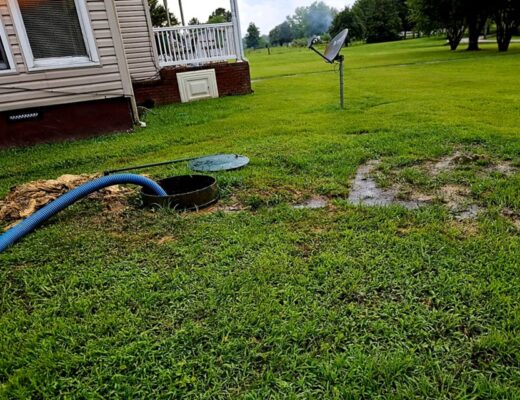
Noticeable wet spots or pooling water near your septic tank or drain field, especially during dry weather, can signal that your system is overloaded or leaking. This issue can lead to environmental hazards and should be addressed immediately. If left unattended, pooling wastewater can attract insects and rodents, creating an additional nuisance. The presence of standing water where it shouldn’t be can also damage landscaping and make mowing or regular yard maintenance impossible. Proper inspection of the drain field can help determine the source and extent of the problem, and early intervention is key to avoiding expensive repairs or a complete drain field replacement.
Lush, Green Patches Of Grass
While a green lawn is desirable, unusually vibrant patches of grass over your septic system may indicate a leak. The escaping wastewater acts as a fertilizer, causing the grass to grow more rapidly. This sign indicates that untreated effluent is surfacing and requires professional attention. A vivid green patch, especially during drought or dry spells, is a red flag that the septic field is distributing effluent unevenly. Over time, this excess moisture can not only saturate the root zone but also promote the growth of weeds and invasive species, disrupting your yard’s ecosystem and potentially decreasing property value.
Sewage Backups
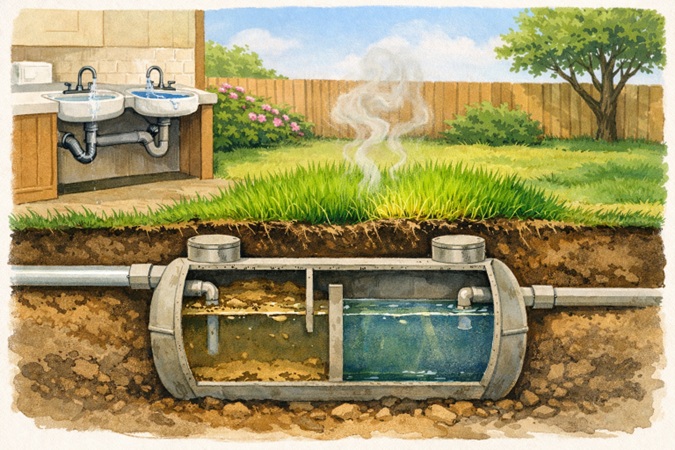
One of the most alarming signs is sewage backing up into your home. This situation poses serious health risks and indicates that your septic system is failing to manage wastewater properly. Immediate action is necessary to prevent contamination and extensive damage. Sewage backups tend to occur first in lower-level bathrooms or utility rooms because gravity takes wastewater to the lowest available drain. This is a sign of a major blockage or system overload. When you notice sewage inside the home, avoid using water until a professional has inspected the issue, as continued use may worsen the backup and create hazardous conditions on your property.
Frequent Need For Pumping
If you find yourself needing to pump your septic tank more frequently than the recommended three to five years, it could be a sign of an underlying problem. Regular maintenance is crucial, but an increased frequency suggests issues that require professional evaluation. Frequent pumping may indicate undersized tanks for your household’s needs, excessive water use, or groundwater infiltration. Homeowners should also be wary of unauthorized substances entering the system, such as grease, harsh chemicals, or non-degradable solids, as these can accelerate the need for pumping and shorten the system’s lifespan.
Persistent Alarms Or Warning Lights
Many modern septic systems are equipped with alarms or warning lights to indicate malfunctions. If these alerts are activated, it’s essential to contact a professional immediately to diagnose and resolve the issue. Alarms typically signal high water levels in the tank, which may be due to pump failure, blockages, or overuse. Regularly test your alarm system to ensure it’s working correctly, and familiarize yourself with the specific warning signals for your setup. Do not ignore warning lights or turn off alarms, as these are essential tools for early detection of septic system issues.
Increased Nitrate Levels In Well Water
For homes with well water, elevated nitrate levels can indicate septic system leakage, contaminating your water supply. Regular water testing can help detect this issue early, ensuring the safety of your drinking water. Contaminated well water poses health risks, particularly for infants, older people, and individuals with compromised immune systems. Make it a practice to schedule annual well water testing, especially if your property relies on a septic system. Professional water analysis can also check for bacteria, pH levels, and other potential indicators of system failure.
Other Important Considerations
Prevention Through Proper Maintenance
The best way to avoid septic issues is through regular inspection and maintenance. Schedule routine checks every one to three years with a licensed provider. Keep detailed records of inspections, repairs, and pumping frequency to monitor your system’s health over time. Avoid flushing non-biodegradable items, excessive cleaning chemicals, or cooking grease down drains, as these can harm your septic system.
Understanding The Age & Limitations Of Your System
Septic systems typically last 20 to 40 years, depending on the material, usage, and soil conditions. Being aware of your system’s age and capacity helps you anticipate when upgrades or replacements may be necessary. Discuss potential system expansions with your service provider if you plan home additions or increased occupancy.
Environmental & Legal Impacts
Failing septic systems can contribute to environmental pollution, contaminating local waterways and affecting plant and animal life. Many counties and municipalities have strict regulations regarding septic maintenance and repairs. Homeowners are responsible for ensuring compliance to avoid costly fines and to keep their communities safe and clean. Recognizing these warning signs and acting promptly can save you from costly repairs and protect your family’s health. If you notice any of these issues, it’s advisable to consult a professional septic service provider to assess and address the problem.
Conclusion
Your septic system is an essential part of your home, and staying alert to early warning signs can make all the difference in preventing major problems. Issues like slow drains, foul odors, pooling water, or system alarms are not just minor inconveniences, as they’re signals that require prompt attention. By acting quickly, scheduling regular inspections, and following proper maintenance practices, you can avoid costly repairs, protect your property, and safeguard your family’s health. A proactive approach ensures your septic system continues to function efficiently for years to come, giving you peace of mind and long-term reliability.




No Comments