

Key Takeaways:
- IV vitamin infusions are gaining popularity for their potential health benefits.
- Scientific evidence supporting these benefits is limited and requires further research.
- It’s essential to consider safety and consult healthcare professionals before undergoing IV therapy.
IV vitamin infusions are becoming a prominent feature in modern wellness spaces, promising quick solutions for fatigue, low immunity, recovery, and more. Services like Vitamin Infusion Therapy are now being offered at both specialized clinics and mobile wellness providers, capturing the attention of individuals seeking enhanced nutrition and vitality. As this trend continues to grow, many wonder about the actual efficacy and safety of these treatments.
With the appeal of rapid nutrient delivery directly to the bloodstream, IV vitamin infusions address the desire for more immediate effects compared to oral vitamins. At the same time, healthcare professionals caution against unsubstantiated claims and emphasize the need for a clear understanding and medical supervision. This article explores the science, potential benefits, risks, and regulatory landscape surrounding IV vitamin therapy.
The growing demand for alternative approaches to wellness has also popularized related therapies, such as Hyperbaric Oxygen Therapy. Understanding these options helps consumers make informed decisions in today’s rapidly evolving health landscape.
Table of Contents
What Are IV Vitamin Infusions?
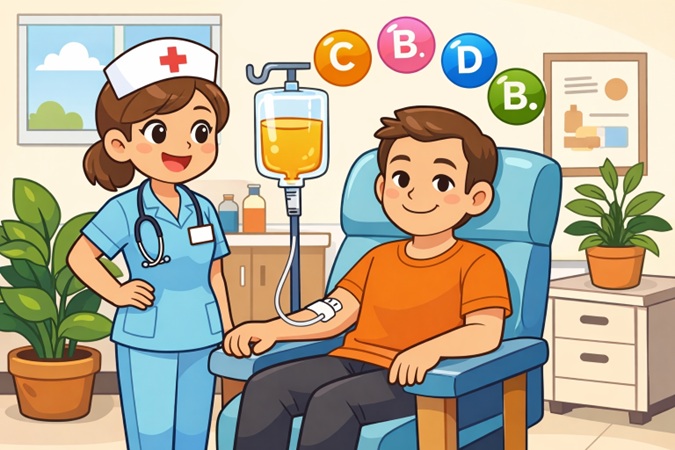
IV vitamin infusions are a form of therapy where a blend of vitamins, minerals, and sometimes amino acids is administered into the bloodstream through an intravenous drip. This approach bypasses the digestive system entirely, allowing for more efficient absorption and direct delivery of nutrients to cells and tissues. Common ingredients in infusion bags include vitamin C, various B vitamins, calcium, magnesium, and, in some cases, nutrients like zinc or glutathione.
This form of therapy is often marketed as a way to quickly replenish nutritional deficiencies or provide a health “boost.” Practitioner-administered infusions may be tailored to individual needs, but compositions widely vary from provider to provider.
Claimed Benefits Of IV Vitamin Therapy
Advocates for IV vitamin therapy claim it offers a broad range of wellness benefits. These include increased energy, stronger immune function, better skin appearance, faster recovery following illness, exercise, or even alcohol consumption, and anti-aging effects. The rationale behind these claims is that higher concentrations of nutrients, reaching the bloodstream much faster than through diet or pills, can deliver more potent health impacts.
The popularity of IV therapy has also been fueled by celebrity endorsements and trends across social media, where testimonials often highlight rapid relief from symptoms like jet lag, dehydration, or general fatigue.
Scientific Evidence & Controversies
Despite the growing interest, the scientific evidence supporting the general use of IV vitamin infusions is still limited. While certain cases, such as high-dose vitamin C for cancer patients or rapid rehydration for severe malnutrition, are supported in clinical contexts, routine use in otherwise healthy individuals lacks robust validation. According to the Cleveland Clinic, most people can get sufficient essential nutrients through a balanced diet, and there is little evidence that IV infusions provide lasting health benefits for the general population.
Concerns have also been raised about the lack of control and regulation in some settings. Many available “cocktails” have not undergone rigorous clinical testing, and the placebo effect may drive much of the perceived benefit. The Harvard Health Blog points out that while IV therapy may help those with true deficiencies, for many people, the benefits are unproven, and the treatments can be costly.
Potential Risks & Safety Concerns
IV therapy, though generally safe when performed in appropriate medical settings, does carry risks. Complications such as infection at the site of injection, allergic reactions to the solution, electrolyte imbalance, and vitamin or mineral overdose are possible. Those with underlying medical conditions, including heart, kidney, or certain metabolic disorders, may be at particularly high risk for complications if not properly screened.
Notably, cases reported in the media describe adverse events, particularly when infusions are administered outside clinics or without adequate medical supervision. Poorly regulated providers and “drip bars” have raised alarms about potential harm to consumers who may not be properly evaluated beforehand.
Regulatory Oversight & Industry Standards
The regulation of IV vitamin therapy varies widely by region and provider type. In many locations, providers must have medical licensure, but enforcement and oversight are inconsistent. Health agencies caution consumers to verify that any clinic or provider is staffed with licensed healthcare professionals and adheres to strict protocols for sterility and patient assessment. Without such safeguards, the risk of complications rises significantly.
Professional bodies recommend strong oversight, particularly as the industry expands into nontraditional settings like spas and mobile wellness services. Consumers should be aware that not all “wellness clinics” operate under the same standards, and reputable providers will always prioritize patient safety and transparency.
Making An Informed Decision
For those considering IV vitamin infusions, it is crucial to consult a qualified medical professional to evaluate individual health needs and rule out contraindications. Researching a provider’s credentials and clinic procedures can help minimize risks. Consumers should also scrutinize any promises that sound too good to be true, such as overnight cures or revolutionary anti-aging benefits, and be prepared to ask about clinical evidence supporting specific therapies.
Alternatives, including a well-balanced diet, oral supplementation when necessary, and addressing underlying health conditions, should not be overlooked. In some cases, approaches like IV therapy or related wellness treatments can play a supportive role under medical supervision, but they are rarely a substitute for evidence-based healthcare strategies.
Conclusion
IV vitamin infusions occupy a unique space at the intersection of medical treatment and modern wellness trends. While certain applications demonstrate potential, particularly in clinical settings or for specific deficiencies, routine use for the general population is not yet widely endorsed by the medical community. Ultimately, the decision to pursue IV therapy should balance personal health goals, current evidence, safety considerations, and consultation with healthcare professionals. As the industry grows, ongoing research and careful regulation will be essential to ensure both efficacy and safety for all seeking these treatments.




No Comments