
Table of Contents
The Evolution Of Digital Marketing & Search Visibility
The digital marketing landscape has undergone a profound transformation over the past decade, accelerating dramatically by June 2026. What began as a focus on keyword stuffing and basic link building has matured into a sophisticated ecosystem driven by data, user intent, and increasingly, artificial intelligence. Traditional search engine optimization (SEO) once centered on static algorithms, but today’s search engines are dynamic, learning entities that constantly adapt to user behavior and emerging information. This evolution has shifted the emphasis from simply ranking for keywords to truly understanding and serving user intent. Semantic search, for instance, allows search engines to grasp the context and meaning behind queries, providing more relevant and nuanced results. As businesses navigate this complex environment, a robust digital transformation strategy is no longer optional but essential for survival and growth.
Shifting From Traditional SEO To AI-Driven Discovery
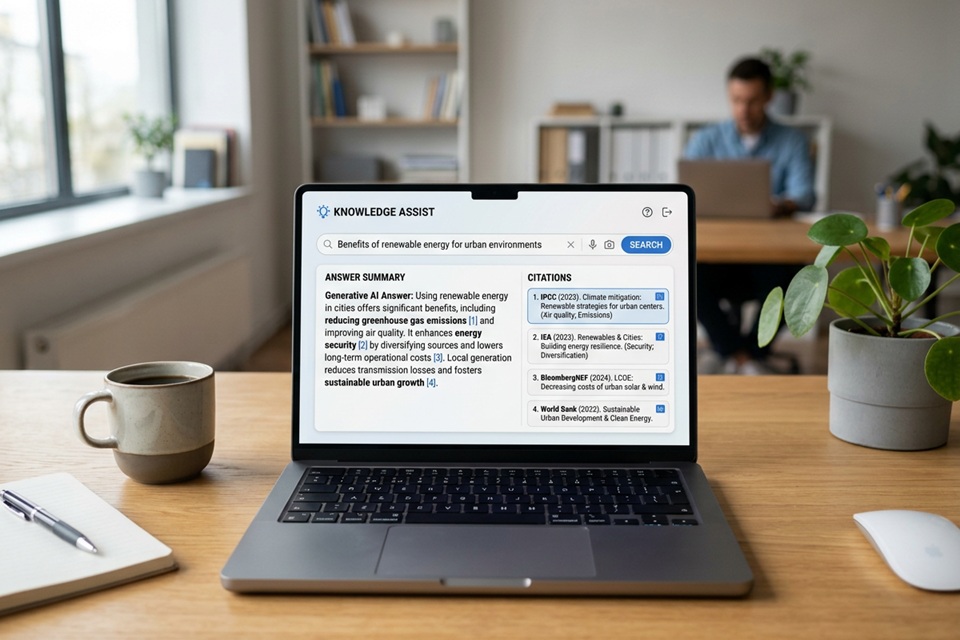
The most significant shift we’ve witnessed is the move from traditional SEO, which often involved optimizing content for specific keywords, to an AI-driven discovery model. Generative search, powered by large language models (LLMs), is rapidly becoming the new frontier. Platforms like Google AI Overviews, Perplexity, and Bing Copilot are not just indexing pages; they are synthesizing information, summarizing answers, and even recommending businesses directly within their interfaces. This means that brands must now optimize not just for visibility in search results, but for citation and recommendation by these AI answer engines.
Entity recognition plays a crucial role here, as AI systems identify and understand specific entities (people, places, organizations, products) mentioned in content, linking them to a vast knowledge graph. This deeper understanding fundamentally alters search behavior. Users are increasingly asking conversational queries, expecting comprehensive answers, and relying on AI-generated summaries rather than clicking through multiple links. For businesses, this necessitates a new approach to content creation and digital presence, ensuring their information is not only accurate and authoritative but also structured in a way that AI can easily process, understand, and trust. The goal is to become a reliable source that AI systems confidently cite and recommend.
Why Digital Marketing & Search Visibility Matter For Modern Trades
For modern trades, particularly in home services, digital marketing and search visibility are paramount. In a competitive landscape, being easily found online is directly correlated with lead generation and business growth. Homeowners and commercial clients alike turn to search engines and AI assistants to find plumbers, HVAC technicians, electricians, and other contractors. Their searches often carry high commercial intent – they need a service, and they need it now.
Local visibility is especially critical. AI systems, like traditional search engines, prioritize local relevance for service-based businesses. This means optimizing for local SEO signals, including Google Business Profile listings, local citations, and geo-targeted content. Businesses that effectively leverage AI-powered digital marketing services can expect to see significant improvements. For example, some AI marketing solutions have helped clients generate over $10 billion in revenue, with a reported 91% client retention rate for services utilizing these advanced technologies. These statistics underscore the tangible benefits of adopting AI, from increasing sales and customer retention by more than 50% to driving a 25% higher ROI compared to traditional methods. By ensuring their services are discoverable and credible across all digital touchpoints, home service contractors can capture high-intent leads and convert them into loyal customers, maintaining a full schedule and robust revenue stream.
Core Strategies For Maximizing Generative Engine Optimization (GEO)
As we move deeper into June 2026, the concept of Generative Engine Optimization (GEO) has emerged as a cornerstone for digital marketing success. GEO goes beyond traditional SEO by focusing on how generative AI models, like those powering AI Overviews and conversational search, discover, interpret, and present information. It’s about ensuring your brand is not just found, but understood and recommended by these intelligent systems. Alongside GEO, Answer Engine Optimization (AEO) specifically targets how your content provides direct, concise answers to user queries, making it ideal for AI summarization.
To excel in GEO, businesses must prioritize structured data and schema markup. This involves tagging your website content with semantic vocabulary that helps AI understand the context, relationships, and meaning of your data. Think of it as providing a clear, machine-readable map of your website’s information. Furthermore, building robust trust signals is non-negotiable. AI systems are designed to prioritize authoritative, credible, and helpful sources. This includes verified reviews, consistent business information (NAP – Name, Address, Phone), security protocols, and transparent service claims.
Optimizing For AI Search Engines & Answer Engines
Optimizing for AI search engines and answer engines requires a strategic shift from keyword-centric content to intent-driven, comprehensive answers. Conversational queries are the norm, so content should be structured to directly address common questions and provide clear, concise solutions. This means anticipating user needs and crafting content that serves as a definitive resource.
Citation optimization is another critical component. AI models learn from vast datasets and prioritize information that is frequently cited by reputable sources. Building brand authority through high-quality backlinks, mentions in industry publications, and strong social proof signals to AI that your business is an expert in its field. For a deeper dive into how these technologies are reshaping online visibility, exploring AI digital marketing visibility is essential. This new paradigm allows for dynamic content personalization and real-time campaign optimization, significantly boosting performance. For instance, AI and MarTech are projected to boost CPG sales by 15% and cut marketing costs by 30% in 2024, demonstrating the immense potential across various sectors.
Technical Foundations Of Modern Digital Marketing & Search Visibility
While generative AI takes center stage, the underlying technical foundations of your website remain crucial. For AI systems to effectively crawl, index, and understand your content, a technically sound website is indispensable. This includes proper robots.txt configuration to guide crawlers and, increasingly, the implementation of llm.txt or similar directives that may emerge to manage how large language models interact with and cite your content.
Site speed and mobile optimization are no longer just ranking factors; they are fundamental to user experience, which AI systems are designed to prioritize. A slow or non-responsive website will deter both human users and AI crawlers. Furthermore, ensuring excellent crawlability and indexability means having a clean site architecture, logical internal linking, and no broken links or duplicate content issues. The rise of low-code development platforms can assist businesses in building and maintaining technically sound websites without extensive coding knowledge, enabling faster iterations and improvements. These technical prerequisites ensure that your valuable content is accessible and interpretable by the advanced AI systems that govern today’s digital discovery.
Leveraging Agentic Workflows & AI Automation For Scale
The promise of AI in digital marketing extends far beyond analysis and content generation; it’s about intelligent automation through AI agents. By June 2026, many leading businesses are no longer just using AI tools; they are deploying AI agents and agentic workflows to handle entire marketing processes from end-to-end. These agents are designed to understand objectives, plan strategies, execute tasks, and continuously learn and optimize, often with human oversight and approval. This represents a significant leap from simple automation, where predefined rules govern actions, to intelligent automation, where AI adapts and makes decisions.
Content pipelines, for example, can be entirely managed by AI agents. From keyword research and topic ideation to drafting, optimizing, publishing, and even promoting content across various channels, AI agents can streamline the process, generating higher-converting content up to 10 times faster. This frees up human marketers to focus on high-level strategy, creativity, and nuanced decision-making.
Campaign execution also benefits immensely. AI agents can manage paid ad campaigns, adjusting bids, creatives, and targeting in real-time based on performance data. They can automate personalization at scale, delivering tailored messages to individual customers across email, social media, and website experiences. This level of continuous optimization and personalized engagement is virtually impossible for human teams alone. The result is not only increased efficiency but also significantly improved campaign performance and ROI. For instance, AI-optimized programmatic marketing boasts a 98% client retention rate, highlighting its effectiveness in delivering consistent results.
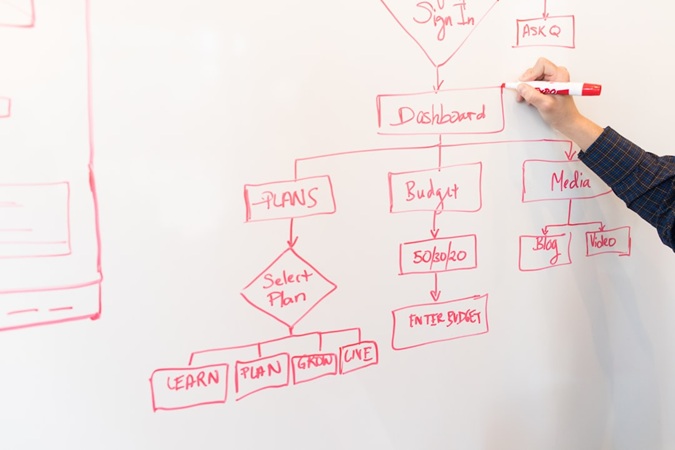
To illustrate the transformative power of agentic AI, consider the following comparison:
Feature/Task Manual Marketing Workflows Agentic AI Execution Strategy & Planning Human-led, time-consuming research, often siloed AI agents research, identify opportunities, suggest strategies based on real-time data Content Creation Manual writing, editing, SEO optimization, slow iteration AI agents generate diverse content, optimize for GEO/AEO, iterate rapidly (e.g., 10x faster) Campaign Launch Multi-tool setup, manual ad creative design, targeting AI agents design creatives, set up campaigns across channels, automate targeting Optimization Periodic review, manual adjustments, reactive AI agents continuously monitor, predict behavior (95% accuracy), optimize bids/budgets in real-time Personalization Limited segmentation, broad messaging, manual A/B tests AI agents personalize at scale, dynamic content, behavior-triggered actions ROI Measurement Manual data aggregation, delayed insights AI agents provide real-time performance insights, attribute ROI, suggest next actions Scalability Resource-intensive, human capacity limits Highly scalable, handles vast data, automates repetitive tasks (e.g., -70% manual work) This shift towards agentic workflows means businesses can achieve faster execution, greater accuracy, and a more compounding performance over time, ultimately driving substantial growth and competitive advantage.
Frequently Asked Questions about Search Visibility
The evolving landscape of digital discovery often raises new questions for businesses looking to maintain and grow their online presence. Here, we address some common inquiries about search optimization and AI discovery.
What is Generative Engine Optimization (GEO)?
Generative Engine Optimization (GEO) is a specialized approach to digital marketing that focuses on optimizing content and digital assets to be effectively discovered, understood, and cited by generative AI models and answer engines. Unlike traditional SEO, which primarily aims for organic rankings in search results pages, GEO targets visibility within AI-generated summaries, direct answers, and recommendations. It involves structuring data, building strong brand authority, and creating contextually rich content that AI systems can confidently interpret and present as authoritative answers to user queries. The goal is to ensure your brand is a trusted source that AI models will reference when users seek information or services.
How do AI search engines select brands to recommend?
AI search engines select brands for recommendation based on a complex interplay of trust signals, data integrity, and relevance. They prioritize businesses that demonstrate strong brand authority, evidenced by consistent, high-quality citations across the web, positive customer reviews, and a robust online reputation. AI systems also look for structured data that clearly defines a business’s services, location, and unique selling propositions. Furthermore, the accuracy and helpfulness of a brand’s content in answering specific user queries play a significant role. Businesses that provide transparent information, verified credentials, and real-world proof of expertise are more likely to be cited and recommended by AI, as these signals indicate reliability and trustworthiness.
Why should home service businesses focus on AI search visibility?
Home service businesses, such as HVAC, plumbing, and electrical contractors, should prioritize AI search visibility because it directly impacts their ability to acquire leads and secure jobs. Homeowners increasingly rely on AI assistants and generative search for immediate solutions to their household needs. When a homeowner asks an AI, “Who is the best plumber near me?” or “How do I fix a leaky faucet?”, the AI’s recommendations or summarized answers often dictate which businesses get called. By optimizing for AI search visibility, these businesses ensure they are among the trusted sources cited by these systems. This translates into higher quality local search leads, increased booking rates, and ultimately, sustained growth in a highly competitive market where commercial intent drives immediate action.
Conclusion
The digital landscape of June 2026 is undeniably shaped by artificial intelligence, transforming how businesses connect with their customers and how consumers discover information. The shift from traditional SEO to AI-driven discovery, characterized by generative search and intelligent answer engines, demands a proactive and adaptive approach from marketers. We’ve explored how understanding user intent, leveraging structured data, and building unwavering brand authority are critical for maximizing Generative Engine Optimization (GEO).
The integration of AI agents and automated workflows is not just an efficiency play; it’s a strategic imperative for scale and sustained performance. By entrusting repetitive tasks and real-time optimization to AI, human teams are freed to innovate, strategize, and forge deeper customer relationships. The future outlook for digital marketing is one of continuous evolution, where AI will only become more sophisticated and integrated into every facet of the customer journey. Businesses that embrace this transformation, focusing on strategic adaptation and continuous optimization of their AI-powered digital marketing services, will be best positioned to thrive. The journey ahead requires not just keeping pace with technology, but actively harnessing its power to drive unprecedented growth and visibility.




No Comments