
Key Takeaways:
- Black ice is a thin, transparent layer of ice that can look like wet pavement and reduce tire traction.
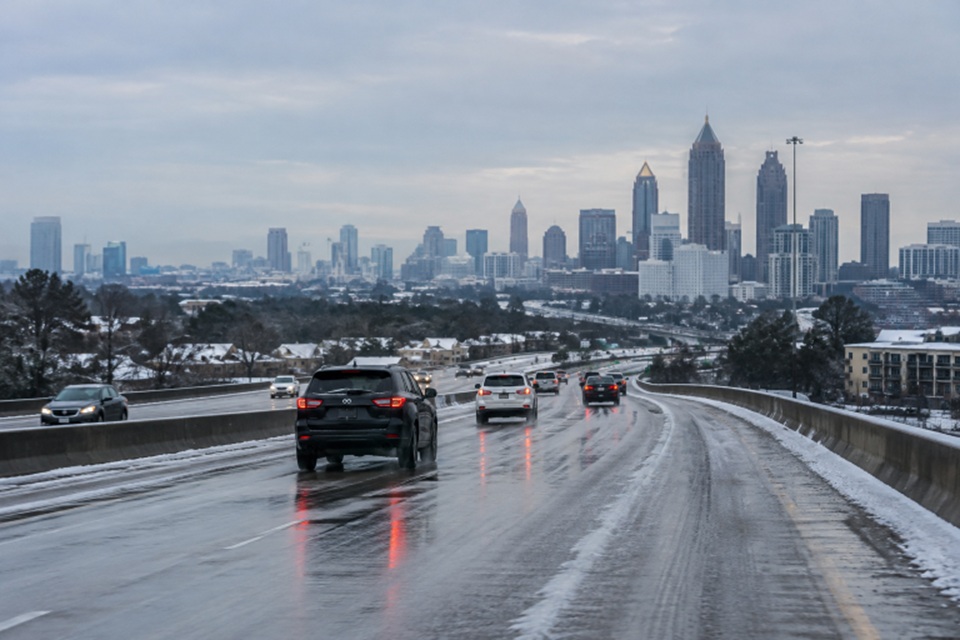
- Atlanta roads can become icy after rain, fog, or runoff freezes, especially during overnight temperature drops.
- Bridges, overpasses, shaded roads, ramps, and low-lying areas are common places for black ice.
- Reduce speed, increase following distance, and use gentle steering, braking, and acceleration when roads may be icy.
- If your vehicle begins to skid, avoid sudden braking or steering and make controlled adjustments as traction returns.
- After a collision, prioritize safety, call 911 when necessary, exchange information, and document the scene when safe.
- Seek medical care for injuries or concerning symptoms, and keep records of photos, medical bills, repair estimates, and insurance communications.
- Check weather and road conditions, maintain your vehicle, and delay nonessential travel when icy conditions make driving unsafe.
Winter driving in Atlanta can become hazardous quickly when rain, runoff, or melted ice freezes on the pavement. Black ice is difficult to recognize because it may look like an ordinary wet patch on the road, yet it can sharply reduce tire traction. After an icy-road collision, an Atlanta icy road accident lawyer may help injured people understand the practical issues that can follow a crash.
Atlanta drivers often associate winter danger with visible snow or sleet, but a clear-looking morning can be just as risky. A thin coating of ice may form overnight or before sunrise, especially where cold air reaches more of the road surface. Knowing how black ice develops, where it is likely to appear, and how to respond to a skid can help drivers make safer choices.
Table of Contents
What Black Ice Is
Black ice is a thin, transparent layer of ice that forms when moisture on a roadway freezes. Since pavement remains visible beneath it, the ice can blend into dark asphalt and appear wet rather than frozen. It may develop after rain, fog, drizzle, melting snow, vehicle spray, or water flowing across the road.
Road temperatures can differ from air temperature, so drivers should not assume the pavement is safe simply because the weather feels manageable. The Georgia Department of Transportation warns that black ice can form on wet roads when temperatures fall below freezing, with bridges, overpasses, and low-lying areas requiring particular caution.
Why Atlanta Roads Can Be Vulnerable
Atlanta and nearby communities can experience rapid temperature changes during winter weather. A rainy evening followed by overnight freezing temperatures can create icy patches before the morning commute. Because conditions may vary from one neighborhood or route to another, a roadway that looked clear minutes earlier may not reflect what lies ahead.
Metro Atlanta traffic can also magnify the danger. Drivers on I-285, I-75, I-85, GA 400, and busy local connectors often travel in close proximity. When one vehicle loses traction, nearby drivers may have little time or distance to react. Congestion, darkness, and rushed commutes can turn a single slide into a multi-vehicle collision.
How Black Ice Causes Accidents
Vehicles rely on friction between the tires and pavement to accelerate, turn, and stop. Black ice reduces that grip. A driver may press the brake pedal, turn the steering wheel, or accelerate from a light, only to discover that the vehicle is not responding as expected.
Loss Of Control
A sudden steering movement, hard braking, or quick acceleration can cause tires to lose traction on ice. The vehicle may skid forward, slide sideways, spin, cross into another lane, or leave the roadway. On a curved ramp or hill, even a modest slide can place a vehicle in the path of traffic or a fixed object.
Longer Stopping Distance
Stopping safely requires enough space for the tires to grip the road. Ice reduces grip, so the distance needed to slow down can increase substantially. A driver who is following too closely may rear-end a vehicle that slows for an icy patch, congestion, or an emergency response vehicle.
Chain-Reaction Collisions
Black ice crashes can unfold in seconds. One driver may brake suddenly after a skid, prompting vehicles behind them to brake or swerve. A roadway with multiple icy spots can create separate collisions in the same area, particularly during early-morning travel when visibility is limited.
High-Risk Road Locations
Ice does not form evenly across every road. Drivers should be especially alert in locations where pavement can cool quickly or where water commonly collects:
- Bridges and overpasses, which are exposed to cold air above and below.
- Entrance and exit ramps, where curves and changes in elevation make traction especially important.
- Shaded stretches of road that receive less sunlight.
- Low-lying areas where runoff, puddles, or moisture may gather.
- Intersections, parking lot entrances, and lanes where vehicles frequently brake or turn.
- Hills and elevated roadways around Atlanta’s suburbs and northern metro communities.
How To Drive More Safely On Icy Roads
The safest decision during freezing conditions may be to delay nonessential travel. If driving cannot wait, reduce speed before approaching bridges, ramps, curves, shaded areas, or places where the road surface looks glossy. Leave substantially more following distance than usual and avoid cruise control on potentially slick roads.
Use smooth inputs. Accelerate gradually, brake early and gently, and steer with controlled movements. If the vehicle begins to slide, avoid panicked braking or abrupt steering. Look in the direction you want the vehicle to travel, ease off the accelerator, and make measured steering adjustments as traction returns.
Federal winter-driving guidance also emphasizes slowing down and increasing following distance because controlling or stopping a vehicle is harder on slick surfaces. Drivers can review winter weather driving precautions before traveling during a forecast that includes ice, sleet, or freezing rain.
What To Do After A Black Ice Crash
Immediately after a collision, focus on safety. Check for injuries, call 911 when anyone needs emergency help or the crash creates a roadway hazard, and move out of traffic only when it is safe to do so. Turn on hazard lights, but do not stand in an active traffic lane to inspect damage or take photographs.
When conditions allow, exchange names, contact details, insurance information, and vehicle information with the other driver. Avoid arguing about fault at the scene. Take photographs of vehicle damage, the surrounding roadway, visible ice or water, traffic signs, lighting, and nearby bridge or ramp conditions. Witness contact information and dashcam footage may also be important.
Seek medical attention for urgent symptoms and pay attention to pain, dizziness, headaches, numbness, confusion, or breathing difficulty that develops after the crash. Keep a folder with the police report number, photos, medical paperwork, towing receipts, repair estimates, and insurance communications.
Preparing Before Winter Weather Arrives
Winter preparation begins before the forecast turns icy. Check tire condition and inflation, keep the windshield and lights clear, maintain adequate fuel or battery charge, and keep a basic emergency kit with water, warm clothing, a flashlight, phone charging equipment, and necessary medications.
Before leaving home, review weather and road conditions, allow extra time, and choose a route that avoids unnecessary elevated roads or steep shortcuts. A cautious plan cannot eliminate every winter hazard, but it can reduce the chances that an invisible patch of ice leads to a serious Atlanta car accident.




No Comments