
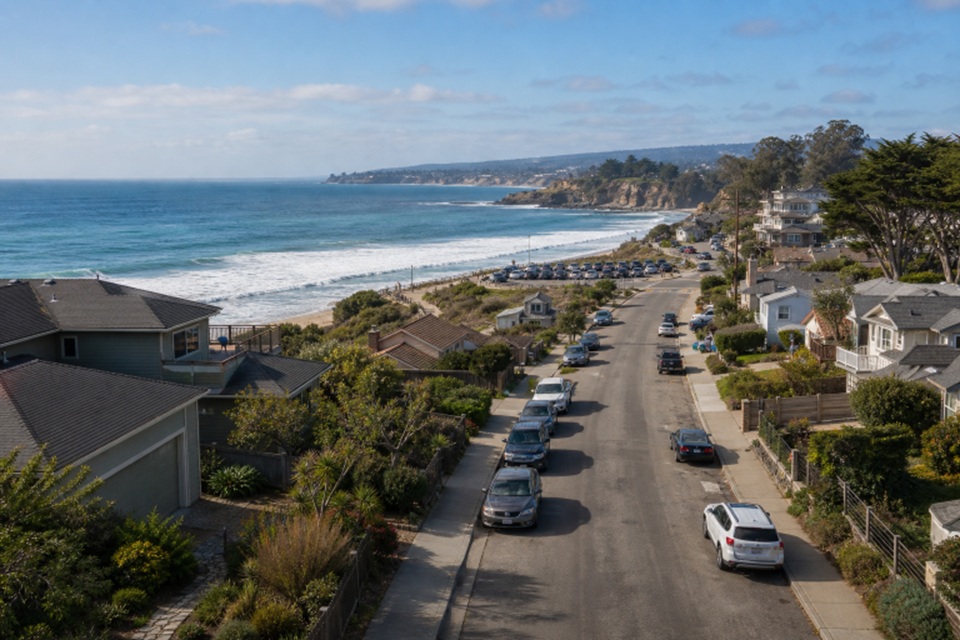
Compare Coastal Neighborhoods Before Buying A Home
Coastal homes can look alike in listing photos while delivering very different day-to-day experiences. A bright kitchen and ocean view matter, but so do weekday traffic, parking, insurance, errands, noise, maintenance, and the time it takes to reach work or school. The strongest purchase is usually not the home that looks best online. It is the combination of home and neighborhood that fits how you actually live.
For buyers comparing Santa Cruz County coastal areas, Capitola CA real estate agents EF Homes can be a useful local reference. EF Homes is a Capitola-based real estate team led by Erick Fernandez, offering home search, valuation, buying, and selling resources throughout Capitola, Santa Cruz, Aptos, Soquel, and nearby communities. With extensive regional transaction experience, the team can help buyers understand the street-level differences that may not be apparent on a map or in a listing description.
Table of Contents
Start With Daily Life, Not Listing Photos
Before comparing prices, picture a normal Tuesday rather than a perfect summer weekend. Consider where you will park after work, how long it takes to buy groceries, whether the street becomes busy during beach season, and how often you will realistically use the shoreline. A slightly smaller home in a convenient location may improve daily life more than a larger property that leads to a difficult commute or constant parking challenges.
Define What Coastal Living Means To You
There is no universal definition of the best coastal neighborhood. A primary-residence buyer may prioritize schools, medical care, commute routes, and year-round convenience. A second-home buyer may care more about walkability, views, lock-and-leave convenience, and access to restaurants. Retirees may focus on a single-level layout and nearby services, while investors may need to review rental rules and operating costs.
Questions To Ask Before You Tour
- How often will you actually walk, bike, or drive to the beach?
- Would you pay more for walkability, or prefer more space farther inland?
- Do you need nearby schools, shops, healthcare, or public transit?
- Is privacy more important than being near restaurants and activities?
- Could a quieter inland pocket provide better value without hurting your lifestyle?
Compare Micro-Locations, Not Just City Names
Two homes in the same city can feel entirely different. One block may have generous parking and calm evenings, while another is affected by beach traffic, a commercial corridor, event activity, or a narrow street. Mark each property’s exact location, then test it under realistic conditions.
- Drive the route to work, school, grocery stores, and other regular destinations.
- Visit in the morning, late afternoon, and evening.
- Return on a weekend, particularly during a busy season.
- Check street width, guest parking, sidewalks, bike access, and lighting.
- Look for nearby development, short-term rental activity, road noise, and privacy concerns.
Calculate The Full Monthly Cost
A lower purchase price does not automatically mean a less expensive home. Compare the full monthly ownership picture before deciding what is affordable. Include mortgage principal and interest, property taxes, homeowners’ insurance, flood or earthquake coverage when applicable, association dues, utilities, maintenance, parking, storage, and commuting costs.
For example, two homes could have similar sale prices, but one might have a high HOA fee, older systems that need attention, and more expensive insurance. The other may cost more upfront but offer lower monthly dues, easier parking, and fewer immediate repairs. Put these amounts into a single written comparison so that the total cost, rather than the listing price alone, guides the decision.
Review Flood Risk & Insurance Early
Flood research should happen before you become emotionally attached to a property. Flood maps are an important starting point, but they are not the complete story. Ask about past water intrusion, local drainage, elevation, nearby road flooding, retaining walls, seawalls, and the condition of gutters and stormwater systems. The National Flood Insurance Program explains how flood zones and maps identify different levels of flood risk.
Questions For The Listing & Inspection Process
- Has the home experienced flooding, leaks, or water intrusion?
- Is it in a mapped flood zone, and will the lender require flood insurance?
- Can you obtain written insurance estimates before the inspection contingency ends?
- Have nearby homes, roads, or access points flooded during major storms?
- Are drainage systems, retaining walls, foundations, and exterior grading in good condition?
Assess Climate & Property Risks Without Panic
Risk information is meant to help you make an informed decision, not to make every coastal property seem unsuitable. Depending on the location, review storm exposure, erosion, bluff stability, wildfire conditions, drainage, and earthquake considerations. Use more than one source, read seller disclosures carefully, and ask qualified inspectors about the specific property rather than relying on broad assumptions about an entire neighborhood.
Compare Housing Types As Carefully As Locations
Property type changes the ownership experience. Condos can offer simpler exterior maintenance and shared amenities, but buyers should carefully review HOA dues, reserve funding, insurance, rules, and pending assessments. Townhomes may offer more space with less exterior maintenance, although shared walls and association restrictions can limit flexibility.
Older single-family homes may offer character, established landscaping, and renovation potential, but they can require significant attention to roofs, plumbing, electrical systems, foundations, and coastal wear. New construction may reduce immediate repair needs, yet buyers should still consider price, nearby construction activity, warranty terms, and whether the surroundings are still developing.
Consider Resale & Future Flexibility
A coastal home should work now and remain practical if plans change. Consider whether the layout would appeal to a future family, a retiree, a second-home owner, or a remote worker. Adequate parking, usable outdoor space, storage, a functional floor plan, and manageable ownership costs can support broader future demand. Also review planned construction, nearby competing inventory, and whether rising insurance costs could affect future buyers.
Build A Simple Neighborhood Scorecard
Use a written scorecard before touring multiple homes. Rate each category from one to five, then apply the weights that matter most to your household:
- Daily convenience, 20%: errands, commute, parking, services, and access.
- Total monthly cost, 20%: mortgage, taxes, insurance, dues, and maintenance.
- Property and climate risk, 20%: flood, drainage, wildfire, erosion, and earthquake factors.
- Home condition, 15%: age of major systems, repairs, and inspection findings.
- Lifestyle fit, 15%: beach access, privacy, noise level, and recreation.
- Resale flexibility, 10%: layout, parking, storage, and future buyer appeal.
A Pre-Offer Checklist
- Confirm the exact location and neighborhood boundaries.
- Visit at several times of day and on both weekdays and weekends.
- Calculate all monthly ownership costs, not just the mortgage payment.
- Request written insurance estimates as early as possible.
- Review disclosures, permits, inspections, HOA documents, and known repairs.
- Check planned construction and land-use changes nearby.
- Compare at least three homes or neighborhood options.
- Decide which compromises are acceptable before writing an offer.
Conclusion
The right coastal neighborhood is rarely defined by the biggest view or the closest beach access alone. It is the place that fits your routine, budget, risk tolerance, and long-term plans. By comparing micro-location, total costs, housing type, property risk, and future flexibility, you can make a clearer, more confident buying decision.




No Comments