
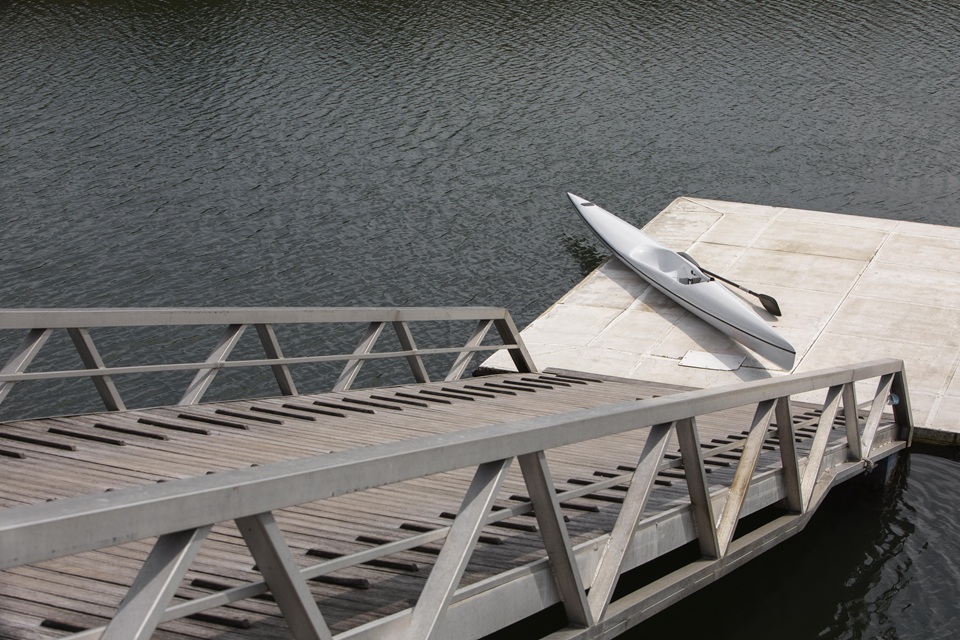
Step onto a dock with a cooler, two kids, and a fishing rod, and the structure quietly does some math. Weight, motion, and leverage all test the frame at once, and the best designs plan for that long before installation. A look at how engineers think about loads explains why some docks feel rock solid while others wobble.
Table of Contents
How Is Load Capacity Actually Measured?
Capacity is usually listed in pounds per square foot, and residential systems commonly fall somewhere between twenty and forty. Commercial walkways and fuel docks need higher ratings, since crowds, carts, and equipment add weight in unpredictable ways. Two numbers matter here, the distributed load spread across the deck and the point load from a single heavy item like a lift or storage box.
Dead load counts as well. The frame, decking, and floats weigh something before a single person steps on, and that weight eats into available buoyancy. Shoppers browsing aluminum boat docks for sale should ask for the rated live load per section, plus how much freeboard the dock keeps when fully loaded.
Why Do Aluminum Frames Carry So Much For Their Weight?
Strength comes from shape as much as material. Extruded tubing and box sections resist bending, and cross-bracing ties them into a rigid grid that shares stress across the whole structure. Marine-grade alloys like 5052 and 6061 add corrosion resistance, so the frame keeps its strength instead of thinning out as rust or rot sets in.
Lower weight brings real advantages. Floats do not have to give up buoyancy just to hold up the structure itself, and anchors face less inertia during storms. Welds deserve scrutiny, since continuous beads spread force along the joint while spot welds crack under repeated flexing. Marinas and resorts that depend on heavy daily traffic notice the difference within a couple of seasons.
Stability Starts With Buoyancy Placed Where Weight Lands
Floats decide whether a deck stays flat. Even distribution works for an empty walkway, though boat lifts, benches, and busy corners need extra flotation underneath. An aluminum floating dock stays level when designers match buoyancy to the load instead of copying a standard grid.
Width helps too. Wider platforms resist rolling when people crowd one side, and longer sections ride waves more smoothly. Closed-cell foam floats keep their lift even after a puncture, which protects stability when something goes wrong.
Wind, Waves, & Ice Add Forces You Cannot See
Environmental loads can outweigh anything on the deck. Wind pushes on boats and platforms like a sail, waves twist sections against each other, and ice squeezes or lifts frames with surprising force. Each of these travels through hinges, couplers, and anchors, so connection hardware needs to be as strong as the frame.
Stainless fasteners, rubber bushings, and sealed pins protect joints from the constant motion. Exposed sites call for thicker tubing and extra anchor points, and floating dock builders usually size these based on fetch, wake traffic, and winter conditions. Anyone comparing aluminum docks for sale should ask what wave and wind conditions each system is built for.
Safety Factors & Why They Matter To Owners
Good engineers never design right up to the limit. A safety factor adds reserve strength for gusts, crowds, and aging components, so a dock rated for a certain load still performs when conditions get rough. Skipping that margin saves money upfront and costs far more once hinges loosen or floats sag.
Businesses feel this most. A slip that stays level and secure keeps earning, while a tilted section forces a shutdown. Written specifications, warranty terms, and load ratings give buyers something solid to compare beyond a catalog photo.
Flotation Systems manufactures custom aluminum dock systems with different platform configurations, flotation arrangements, and anchoring options. These choices allow waterfront property owners to consider expected loads, boating activities, and water conditions during the planning process. Evaluating those requirements alongside the dock’s structural design helps establish a system that can support regular use without unnecessary strain on its components.



No Comments