

Key Takeaways:
- Know the signs of common pet emergencies to respond quickly and effectively.
- Act decisively with first aid measures to stabilize your pet when possible.
- Recognize when professional veterinary care is essential and seek it promptly.
Every pet owner wants to believe their furry companion will always be safe, but emergencies can happen when you least expect them. Being prepared to take swift action not only reduces your pet’s suffering but can also save their life. Whether it’s a late-night accident or a sudden illness, knowing the right steps to take in a crisis can be critical to your pet’s well-being. If you ever find yourself unsure about how to handle a sudden health problem or injury, quickly reaching out for emergency care for dogs Houston, TX can make all the difference in getting timely help.
Pets rely on us to notice subtle changes in their behavior and to respond decisively in the face of danger. Learning to recognize the most common emergencies and respond appropriately is a skill every pet owner should develop. Immediate first aid can sometimes stabilize your pet until professional veterinary care is available.
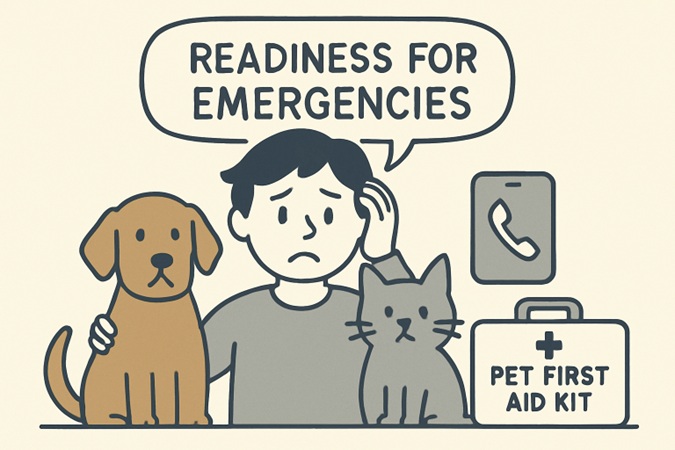
In some circumstances, you may need to provide aid on your way to the animal hospital or even at home while waiting for help. Knowing what to do and who to call is as essential as recognizing the signs of trouble. Preparation is key; keep your veterinarian’s contact information, an emergency kit, and first-aid instructions accessible at all times. Remaining calm and taking prompt, knowledgeable action can dramatically improve outcomes. Even simple knowledge, such as identifying abnormal symptoms, taking vitals, or moving your pet safely, is invaluable in emergent situations.
Table of Contents
Choking
Choking is a life-threatening emergency that can occur if your pet swallows toys, bones, or food items that become lodged in their throat. Common warning signs include coughing, gagging, pawing at the mouth, or blue-tinged gums. If you see an object clearly and can remove it safely, do so with care. Please don’t push the object further down. If the object isn’t visible or can’t be reached, the Heimlich maneuver may help expel it. However, regardless of the situation, you must rush your pet to the veterinarian immediately after an episode of choking to ensure their airway is clear and to check for hidden injuries. The American Kennel Club provides detailed first aid guidance for choking pets at AKC Choking First Aid.
Poisoning
Many common household items pose serious risks to pets. Foods such as chocolate, grapes, onions, and xylitol are toxic, as are many houseplants and human medications. If you suspect your pet has ingested something poisonous, contact your veterinarian or a pet poison control hotline immediately. Please don’t feel like a professional has to do so, as it can sometimes do more harm than good. Could you keep the packaging of the suspected toxin to provide critical information to the vet or poison professional? A fast response is essential to prevent long-term damage or fatal outcomes. The ASPCA Animal Poison Control Center is a trusted resource for urgent poisoning situations and prevention tips: ASPCA Animal Poison Control.
Seizures
Seizures are often frightening to witness, but it’s crucial to remain calm. Classic signs include uncontrolled muscle activity, loss of consciousness, or twitching. Clear the area of objects that could injure your pet during the episode, and never try to restrain or put things in their mouth. After it subsides, keep your pet warm and quiet. Note the details of the seizure, duration, behavior before and after, and frequency, as this will help your veterinarian diagnose the cause. Always seek veterinary advice after your pet has a seizure, as it may be a symptom of an underlying illness requiring treatment.
Heatstroke
Pets left in hot environments or exercised too vigorously during warm weather are at risk of heatstroke. Warning signs include heavy panting, drooling, elevated heart rate, collapse, or confusion. Move your pet to a shaded or air-conditioned area, offer small amounts of cool water, and gently dampen their fur with cool (not icy) water on the belly, paws, and neck. Do not use ice, as this can worsen shock. Even if your pet appears to recover, heatstroke can cause delayed internal damage, so have a veterinarian assess them as soon as possible. PetMD offers a comprehensive guide on recognizing and treating heatstroke in pets.
Severe Bleeding
External bleeding from injuries or accidents requires applying steady, firm pressure to the wound with a clean cloth or bandage. Elevate the injured area if possible and avoid removing blood-soaked materials; instead, add more layers. Control bleeding en route to the vet clinic, but do not delay professional assessment, as even minor blood loss could indicate serious internal injuries. Rapid attention is particularly vital if the bleeding persists for more than a few minutes or is accompanied by weakness, collapse, or pale gums.
Broken Bones Or Severe Trauma
Accidents or falls can cause fractures or other severe trauma in pets. Keep your pet immobilized and prevent movement of the injured body part. In serious cases, use a flat board or a sturdy surface as a stretcher. Please don’t try to reset bones or splint the injury yourself, as improper handling can cause further injury. Carefully transport your pet to the veterinarian as soon as possible for diagnosis and treatment.
Bloating Or Sudden Abdominal Swelling
Bloat, or gastric dilatation-volvulus (GDV), is a critical emergency most commonly seen in large breed dogs. Warning signs include abdominal distention, restlessness, nonproductive retching, and signs of pain. Bloat can rapidly become fatal by impeding blood flow and damaging vital organs. If you suspect bloat, do not wait; bring your pet to a veterinary emergency facility immediately. Delay can mean the difference between life and death.
Difficulty Breathing
Respiratory distress in pets signals an immediate emergency. Warning signs include noisy breathing, open-mouth breathing in cats, gasping, or blue-tinted gums. Minimize your pet’s stress and any handling, as movement can worsen respiratory failure. Contact your nearest veterinary emergency clinic immediately, as breathing difficulties can be rapidly fatal without prompt intervention. Every minute counts when dealing with pet emergencies. Building your knowledge base and keeping essential information at hand empowers you to protect your beloved pet through any crisis.
Conclusion
Pet emergencies can happen suddenly, but being informed and prepared can make a critical difference in your pet’s safety and recovery. Recognizing warning signs such as choking, poisoning, seizures, or difficulty breathing allows you to respond quickly and provide immediate first aid when necessary. While these initial actions can help stabilize your pet, they should always be followed by professional veterinary care to ensure proper diagnosis and treatment. Preparation is one of the most effective ways to protect your pet. Keeping emergency contact numbers readily available, maintaining a well-stocked pet first aid kit, and familiarizing yourself with common emergency procedures can help you stay calm and act confidently in stressful situations. Trusted resources such as the American Kennel Club and the ASPCA Animal Poison Control Center can also provide valuable guidance for pet owners facing urgent health concerns. Ultimately, your attentiveness and quick response are key to safeguarding your pet’s well-being. By understanding common emergencies and knowing when to seek immediate veterinary help, you can give your furry companion the best possible chance for a safe recovery and a healthy life.





No Comments