
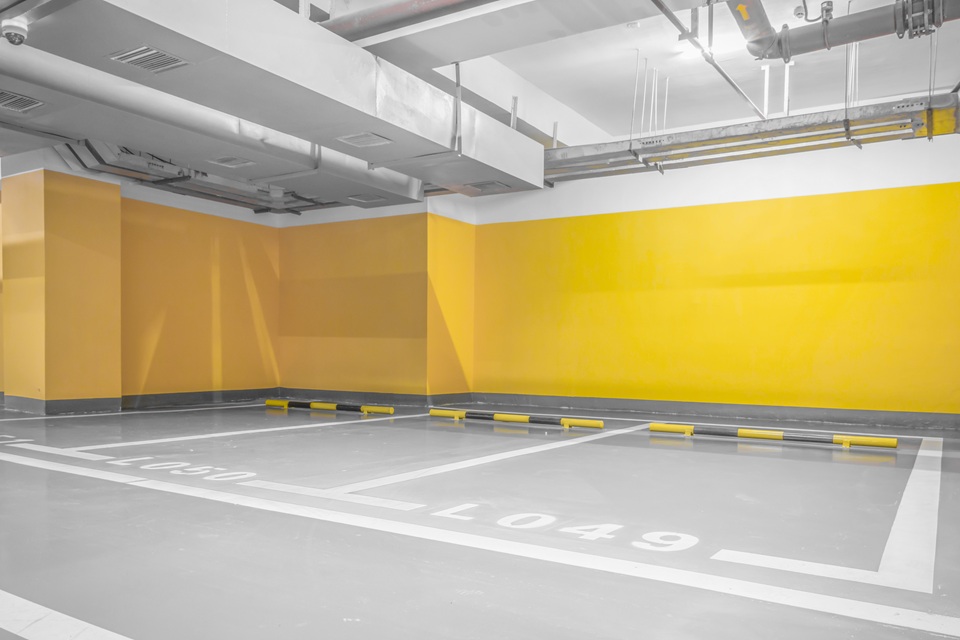
Garage traffic is harder on a floor than it first appears because tires, turning, parked weight, foot traffic, and spills all stress different areas. Daily movement creates predictable wear paths, which means coating performance depends partly on how people and vehicles actually use the space. Planning around those patterns helps property owners choose a garage floor coating that protects the busiest zones instead of treating the entire floor as if every section receives equal abuse.
Table of Contents
Tire Paths Create The Heaviest Wear Across The Floor
Vehicle tires repeatedly follow the same tracks from the garage door to the parking position, concentrating friction and weight along narrow lanes. Repeated loading can dull a coating faster in those areas, especially where hot tires, road grit, and small stones act like abrasive material against the surface.
Wheel paths deserve extra attention during surface preparation because weak concrete or poor adhesion will show up there first. Strong mechanical profiling and a coating system matched to the expected traffic can help an epoxy garage floor resist peeling, scuffing, and premature wear.
Turning Areas Put More Stress On Coatings Than Straight Driving
Turning tires create sideways force that straight-line movement does not, especially near entrances, tight parking spaces, and multi-bay garages. Steering while a vehicle is stationary can grind dirt into the surface and place additional stress on the bond between the coating and concrete.
Sharp turns also increase the chance of visible tire marks on lighter finishes or smooth glossy systems. Owners comparing epoxy flooring companies should ask how the proposed material handles twisting tire loads rather than focusing only on color, shine, or advertised thickness.
Parked Vehicles Create Constant Pressure In The Same Spots
Parking places concentrate vehicle weight over the same four tire contact areas for hours at a time. Stationary loads may not seem severe, but warm tires and heavy vehicles can challenge coatings that were selected mainly for appearance instead of service conditions.
Pickup trucks, SUVs, work vans, and stored equipment can increase that pressure even more. Heavier use may call for a tougher epoxy flooring system, thicker build, or protective topcoat designed to tolerate repeated loading without softening or marking.
Garage Entrances Take The Brunt Of Outdoor Contaminants
Entry zones collect more sand, salt, water, mud, and road debris than the center of a garage because tires carry those materials inside. Abrasive particles then get crushed under the tread, creating a high-wear strip near the door that can age faster than cleaner areas farther indoors.
Moisture adds another concern because wet tires can leave standing water near the threshold. Proper drainage, slip resistance, and a coating that tolerates repeated wet-dry cycles are worth discussing with an epoxy floor company near me before installation begins.
Foot Traffic & Work Areas Need Their Own Surface Strategy
Walking routes often develop between doors, storage cabinets, workbenches, utility rooms, and parked vehicles. Constant foot traffic can polish certain sections over time, while dropped tools, rolling carts, ladders, and shop equipment add impact and abrasion that vehicle-only planning may overlook.
Workshop zones may also face oil, cleaners, paint, battery fluids, or other chemicals depending on how the garage is used. Chemical resistance and easy cleanup can matter as much as tire durability when garage floor coating serves both parking and active work space.
Commercial Garages Require A Different View Of Traffic Flow
Commercial spaces can see delivery vans, forklifts, service trucks, carts, and employee foot traffic moving across the same floor throughout the day. Traffic volume changes the coating decision because hundreds of daily passes create far more abrasion than a residential garage handling two vehicles.
Facility managers should map travel lanes, loading points, turning circles, maintenance bays, and areas where vehicles idle. That information helps epoxy flooring companies recommend systems based on actual operating conditions instead of using one coating specification across every section.
Coating Plans Should Match How The Garage Will Be Used
Contractors can often learn more from watching traffic flow than from measuring square footage alone. Areas with hard turns, concentrated parking, rolling loads, moisture, or chemical exposure may need different preparation, texture, or protective layers than lightly used corners.
Property owners should explain present use as well as future plans before approving a flooring system. Pros LLC can assess vehicle movement, work zones, concrete condition, and expected wear to help select epoxy flooring or another heavy-duty floor solution suited to the garage’s real traffic patterns under demanding daily use over many years.


No Comments