
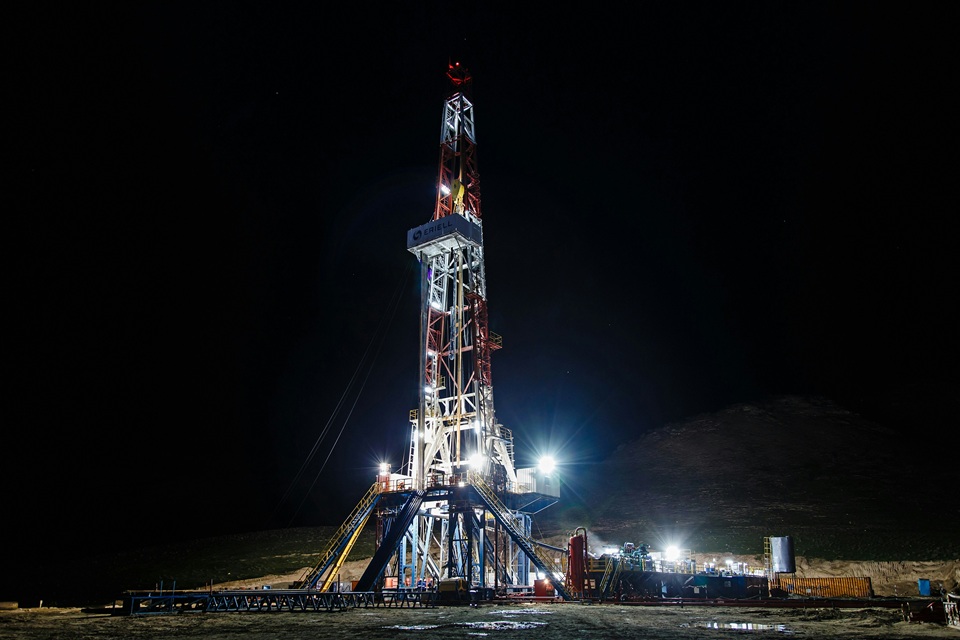
Houston, Texas sits at the center of a broad energy and industrial network where drilling equipment often moves between yards, ports, fabrication areas, and active field locations. In that environment, drilling structures must do more than carry equipment. They must support safe access, controlled lifting, dependable load transfer, and repeatable assembly under changing site conditions.
Whether a structure is used near the Gulf Coast, in South Texas, or at a remote inland location, field readiness begins before the first component is unloaded. Good planning connects the structure, the supporting surface, the transport sequence, the work crew, and the procedures for inspecting each critical connection.
Table of Contents
The Role Of Drilling Structures In Field Operations
A drilling structure organizes the physical work area around drilling and hoisting tasks. Depending on the configuration, it can include a mast or derrick, substructure, drill floor, stairs, platforms, braces, lifting components, and equipment tie-down points. Together, these elements help transfer loads to the supporting surface while giving personnel a defined place to work, inspect equipment, and respond to changing conditions.
In the Houston area, planning should account for humid conditions, heavy rain, soft or saturated ground, wind, and the practical limits of available access roads. Early-stage prototyping can help teams assess fit, assembly order, service access, and transport considerations before a design is placed into regular field use.
Design Features That Support Safer Work
Load Planning
Every structure should be considered in the conditions it will actually encounter. That includes its own weight, operating loads, hoisting loads, temporary equipment, wind exposure, vibration, and forces created while raising, lowering, or moving components. A structure may perform differently during transport or rig-up than it does during steady drilling operations, so the work plan should address each phase separately.
Access & Worker Movement
Stairs, walkways, grating, handrails, lighting, and clear working clearances affect how safely a crew can move around the rig. Good access reduces unnecessary climbing, awkward reaches, and travel through areas where workers could encounter pinch points or suspended loads. OSHA identifies falls, vehicle movement, machine hazards, high-pressure equipment, and caught-between hazards as risks that drilling and extraction crews must manage during fieldwork.
Stability & Site Conditions
A well-designed structure still depends on a properly prepared site. Before setup, crews should evaluate grade, drainage, surface firmness, foundation contact points, and any weather-related changes. Leveling is not merely a convenience. It supports predictable load distribution and can make alignment, equipment installation, and later inspections easier to manage.
Records That Travel With The Equipment
Current drawings, load information, manuals, inspection logs, repair notes, and approved modification records should be available to the people responsible for setup and operation. These records help confirm that the assembled structure matches the intended configuration rather than relying on memory or assumptions from a previous job.
Planning A Smooth Rig Setup
Rig setup is a controlled sequence, not a single lifting event. The person directing the work should know the assembly order, lifting points, exclusion zones, communication method, weather limits, and stop-work triggers before major sections are raised.
- Review the site plan, access route, ground condition, and forecast.
- Confirm the readiness of personnel, lifting equipment, tools, and transport units.
- Inspect structural members, pins, bolts, braces, weld areas, and connection hardware.
- Set up exclusion zones for lifting, raising, and positioning activities.
- Place and level the base or substructure in accordance with the approved plan.
- Raise and secure major sections in the intended order.
- Install access systems, guards, tie-downs, and operating equipment.
- Complete a documented pre-start inspection before drilling begins.
A rushed setup can create problems that surface later. For example, a minor leveling error can complicate alignment, concentrate load at contact points, and lead to avoidable adjustment work after the rig is already in service.
Inspection & Maintenance Priorities
Inspection should consider both visible damage and changes in equipment behavior. Unexpected vibration, movement, unusual noise, corrosion, distortion, damaged grating, or difficulty during raising and lowering can indicate a condition that needs review before work continues.
Key Inspection Areas
- Welds, braces, beams, pins, bolts, and structural connections.
- Wire rope, sheaves, winches, brakes, and lifting accessories.
- Walkways, stairs, handrails, platforms, and fall-protection anchor points.
- Hydraulic cylinders, hoses, fittings, valves, and controls.
- Corrosion, coating damage, fatigue indicators, and impact damage.
- Support beams, skid points, leveling systems, and ground-contact areas.
Daily visual checks should complement scheduled maintenance and more detailed inspections after repairs, modifications, impacts, or unusual loading. The rigging-up guidance for drilling operations also emphasizes that specific rig designs can create unique hazards that should be addressed in the site job safety analysis.
Making Rig Moves More Efficient
Efficient rig moves come from preparation, not skipped checks. Before departure, crews should verify load weights and dimensions, secure loose tools and temporary equipment, label connection points, organize hardware by assembly stage, and review the route for clearance, turning space, road conditions, and access to the arrival site.
During loading and reassembly, clear load tags, defined handoffs, agreed communication signals, and a current lifting plan help reduce confusion. In Texas, the state oil and gas regulatory framework is another reason to keep permits, operating requirements, and site-specific responsibilities clear throughout a move.
Technology & Data
Digital tools can make field information easier to retrieve and track. Mobile inspection forms, tagged components, shared drawings, maintenance histories, and route-planning data can help supervisors see open defects and recurring concerns. They do not replace physical inspections, qualified judgment, or a worker’s authority to pause work when conditions change.
Field-Ready Checklist
- Has the structure been matched to the planned work and expected loads?
- Are ground, drainage, and access conditions suitable for setup?
- Are current drawings, procedures, and inspection records available?
- Have lifting, raising, and lowering steps been reviewed?
- Are exclusion zones, signals, and stop-work conditions understood?
- Have critical components been inspected before assembly?
- Are access routes, lighting, guards, and fall protection ready?
- Have transport loads, tie-downs, and route limitations been confirmed?
Common Questions
What makes a drilling structure field-ready?
Field readiness means the structure is suited to the planned work, supported by complete documentation, inspected before use, assembled on a suitable surface, and managed through a clear setup and transport plan.
How often should a drilling structure be inspected?
Frequency depends on operating conditions, manufacturer guidance, applicable requirements, workload, exposure, and inspection history. Daily checks are useful, but they should support formal inspections at planned intervals.
Why do rig moves need their own safety plan?
Rig moves introduce hazards that differ from drilling operations, including changing load configurations, traffic exposure, lifting activity, unfamiliar ground, and changing weather. A separate plan helps crews address those conditions directly.
Final Takeaway
For Houston-area drilling work, reliable structures depend on more than durable steel and capable equipment. Sound design, stable setup conditions, disciplined inspections, complete records, and deliberate rig-move planning all contribute to a safer and more predictable operation.





No Comments