
Key Takeaways:
- Fire flow testing evaluates a water system’s ability to support firefighting needs.
- Routine testing uncovers and addresses potential weaknesses in water distribution networks.
- Recent technological advancements are making fire flow testing more precise and efficient.
- Close cooperation between utilities and fire departments ensures effective fire flow management.
Ensuring a reliable water supply is essential for day-to-day living and for responding effectively to emergencies. One of the main methods for assessing the dependability of water distribution systems is fire flow testing. This process is vital in verifying that water systems have the capacity and pressure to support firefighting operations, which, in turn, protects communities.
As water infrastructure challenges evolve, enhancing fire flow testing procedures is increasingly important. By conducting accurate testing, utilities can proactively address deficiencies, reducing the risk of system failures during a crisis. Modern fire flow testing methods are improving water infrastructure resilience and community safety.
Table of Contents
Understanding Fire Flow Testing
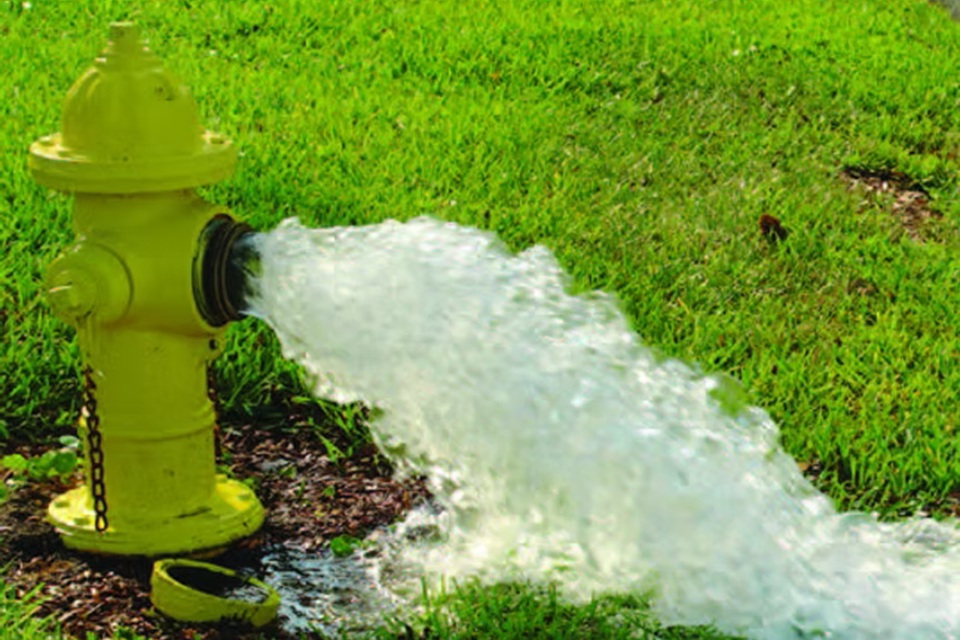
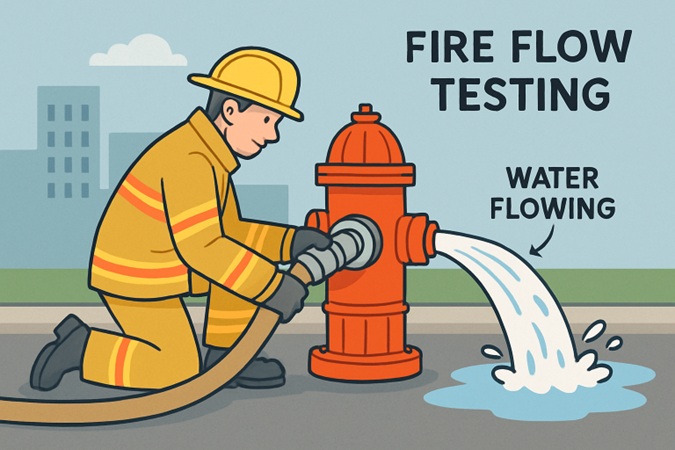
Fire flow testing measures the flow rate and water pressure at various points in a city’s water distribution system. This evaluation helps detect areas with insufficient performance, guiding upgrades or maintenance before problems escalate. The data from these tests gives utilities important insights into their network’s strengths and weaknesses, supporting informed planning decisions and targeted investments in infrastructure.
Testing is not only about being ready for fires but also about ensuring consistent water delivery for all essential needs. Because water systems age and urban demands shift, continuous monitoring through fire flow testing remains a priority for sustainable city management. For more information on water infrastructure standards, visit the American Water Works Association.
Importance Of Regular Testing
Fire flow testing should be a routine part of water system operations. Regular assessments enable utilities to spot closed or malfunctioning valves, obstructions, or underperforming pumps. The National Fire Protection Association (NFPA) recommends that all hydrants undergo flow tests at least once every 5 years to ensure readiness for emergencies and compliance with regulations.
Routine testing can also help identify trends in system performance over time, particularly in areas with rapid urban development or where climate change is impacting water resources. Timely repairs and upgrades based on test results not only provide peace of mind to residents and emergency responders but also help avoid costly emergency interventions later.
Technological Innovations In Fire Flow Testing
The fire flow testing landscape is being transformed by digital solutions. Tools such as InfoWater Pro 2026.2 provide utilities with advanced capabilities for analyzing flow test data and modeling network performance under different scenarios. These platforms leverage comprehensive data visualization and analytics capabilities, enabling more precise system assessments and faster vulnerability identification.
Technological advancements extend to field equipment as well. Digital flow meters and smart sensors now collect real-time data with high accuracy, minimizing human error and enabling resources to be allocated based on the most reliable information. AI systems, predictive maintenance algorithms, and integrated monitoring networks further support efficient and comprehensive fire flow management.
Case Studies: Enhancing Fire Flow Capabilities
Real-world examples showcase how water utilities are improving their fire flow capabilities. The Tuolumne Utilities District in California, for instance, introduced a Fire Water Draft Points Initiative, placing new draft points along critical water conduits. This measure gave fire crews better access to raw water sources, which is particularly valuable in remote or wildfire-prone areas. By expanding the network of draft points, the district significantly improved local wildfire suppression efforts and strengthened community resilience.
Collaboration Between Utilities & Fire Departments
Optimizing fire flow performance demands active cooperation between water utilities and fire departments. Joint planning helps both sides understand the system’s limitations and strengths, ensuring smooth coordination in emergencies. Regular meetings and training exercises allow both teams to exchange vital information about water system upgrades, planned maintenance, or recent flow test findings.
Such collaboration also helps develop emergency response strategies for a range of disaster scenarios, from urban fires to wildfires. An effective partnership ensures that utilities and fire crews are always aligned in their mission to protect communities and infrastructure. For insight into best practices, the U.S. Fire Administration provides helpful resources on emergency water supply planning.
Challenges & Solutions In Fire Flow Testing
Despite the progress made, several obstacles still hinder fire flow testing. Many municipalities struggle with aging water infrastructure, limited budgets, and complex urban landscapes. Environmental factors, such as drought or contamination risk, further complicate the picture.
Utilities are meeting these challenges with innovative approaches. Integrating sensor networks and deploying AI anomaly-detection systems can rapidly alert operators to issues such as drops in pressure or unexpected consumption spikes. Early warnings and predictive analytics enable addressing concerns long before they become emergencies, bolstering the reliability of water infrastructure as a whole.
Future Directions In Fire Flow Testing
The future of fire flow testing is focused on leveraging advanced technology and data analytics, exemplified by AI-driven solutions like AquaSentinel, which enhance pipeline monitoring through sensor arrays and machine learning. These innovations empower water utilities to anticipate system stress and maintain optimal performance. Strategies such as remote monitoring and predictive modeling will enable rapid response to system changes, ensuring public safety. Sustained collaboration, investment, and innovation are essential to maintaining water system reliability. Overall, advancements in fire flow testing are vital for ensuring a dependable water supply and community protection, utilizing digital technologies and strategic partnerships.



No Comments